
 EN
EN
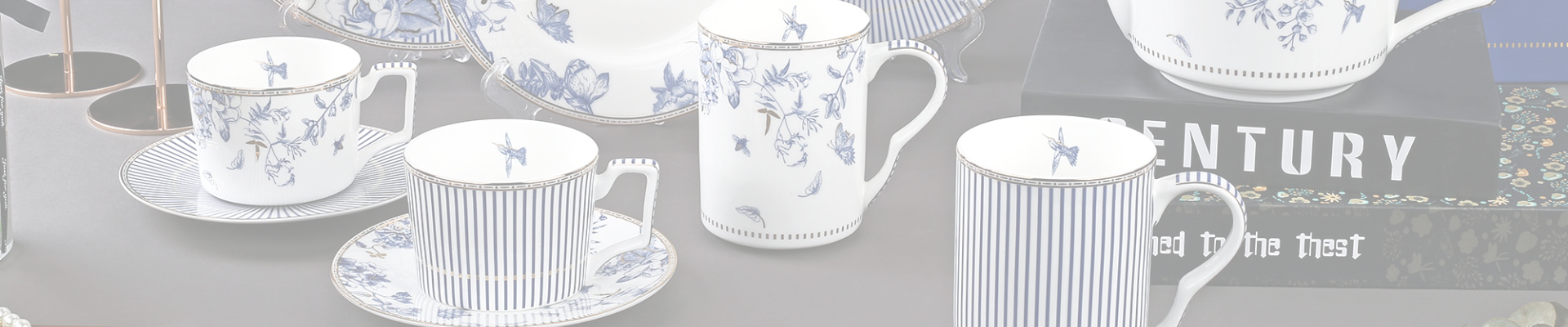
Complete Porcelain Tea Pot Sets for Every Occasion
Why Porcelain Is the Ideal Material for a Premium Tea Pot Set
When making porcelain teapots, they fire the clay at really high temperatures between around 1280 to 1400 degrees Celsius. This process turns the clay into something almost like glass on the surface. The resulting material is completely non porous, so it doesn't soak up any of those precious essential oils or aromas that make tea special. That means when brewing delicate varieties such as green, oolong, white, or yellow tea, each cup maintains its authentic flavor profile through multiple infusions. Tea lovers will notice how floral scents stay fresh without getting mixed up with leftover tastes from previous brews. Plus, the smooth finish makes it easier to clean because tannins don't stick around as much, which helps keep every subsequent batch tasting just right.
Thermal Stability and Even Heat Retention for Optimal Steeping
The dense, uniform nature of porcelain makes it really good at conducting heat evenly throughout the vessel, which means no more those pesky hot spots that can burn delicate tea leaves during brewing. When making tea, this even heating helps extract flavors and tannins in a balanced way without developing bitter notes. Once the tea has steeped, porcelain keeps the warmth much better compared to glassware or thin metal teapots, so the drink stays at just the right temperature when poured. This matters a lot for certain types of tea like green or white varieties that haven't undergone much oxidation. Even small changes in temperature while these teas are brewing can make noticeable differences in how clear they taste, their natural sweetness levels, and overall mouth feel experience.
How to Choose the Right Porcelain Teapot Set by Occasion
Everyday Use: Compact 2–4 Person Porcelain Tea Pot Sets with Ergonomic Design
When making tea regularly at home, look for teapots that last long, are easy to handle, and keep drinks hot properly. The best compact porcelain sets hold around 400 to 600 ml and serve 2 to 4 people comfortably. These pots have thick walls that can take regular use without cracking from temperature changes. Handles are shaped to fit the hand naturally, while spouts are crafted so they pour smoothly without dripping everywhere. Another plus is their non porous surface which stops different teas from mixing flavors accidentally. Some porcelain teapots can go in the dishwasher, but check carefully first since not all will survive unless specifically marked safe for dishwashers and paired with gentle detergents. According to research published last year by the International Tea Association, smaller teapots actually retain heat better than bigger ones, keeping water warm about 40 percent longer. This matters because it helps preserve those delicate aromas in fine quality teas during brewing.
Gifting & Ceremonial Use: Ornamental 6-Piece Porcelain Tea Pot Sets with Traditional Accents
For those special moments, people often look for items that carry meaning and connect to tradition. Six piece ornamental sets usually include a teapot, four matching cups with saucers, plus a creamer vessel. These fancy collections come adorned with beautiful hand painted designs, sometimes featuring cobalt blue underneath, celadon glazes, or delicate gold edges around the rim. Such decorative choices tie back to long standing artisanship practices passed down through generations. Retail numbers show something interesting too - according to figures released by the Luxury Home Goods Consortium in 2024, there was a massive jump of 78% in demand for these traditional porcelain gift sets last year compared to the previous one. People are clearly drawn to items they can pass on as family treasures. When shopping around, check if all pieces fit together well visually, look at how securely packed everything is, and ask about whether it's genuine high fired porcelain. Real porcelain needs to be fired at temperatures above 1280 degrees Celsius to achieve that glossy finish while lasting many years of use.
What Defines a 'Complete' Porcelain Tea Pot Set: Components, Sizing, and Practicality
Essential vs. Extended Configurations: Teapot, Cups, Saucers, and Optional Accessories
When putting together a full porcelain tea set, there are really three main pieces needed: the actual teapot itself which usually holds between 400 to maybe around 1000 milliliters, some matching cups that typically range from about 100 up to 200 ml each, plus those little saucers for catching spills. This basic setup works pretty well for groups ranging from two all the way up to six folks, striking a nice balance between looking good on the table and actually working when pouring tea. The reason high fired porcelain stands out so much is because it keeps heat better than most materials, making sure the tea stays at just the right temperature during steeping. Plus, since porcelain doesn't absorb flavors or smells like stoneware or earthenware does, the taste remains pure and true to what was intended.
When expanding setups, folks often add things like fine mesh strainers, little sugar bowls, milk jugs, or those nice bamboo trays that look great at ceremonies or when hosting guests. While simple setups work just fine for everyday use, adding some carefully chosen extras can really enhance the experience without making things awkward to handle. The size matters too depending on how many people will be using it. A 500 ml teapot is good enough for one person or maybe two friends sharing a cup. For bigger groups, go for something around 800 to 1000 ml capacity. And don't forget about proportions either. Something like four small 150 ml cups works well with a 600 ml pot. Getting this right helps avoid spills and keeps the tea at the right temperature when pouring from the pot to the cups.
Caring for Your Porcelain Tea Pot Set to Ensure Longevity and Performance
Taking care of a porcelain teapot set isn't really about being extra careful since it's not all that delicate. The real reason for proper maintenance lies in keeping the glaze intact and maintaining the structural strength over time. Porcelain that's been fired at high temperatures becomes non porous and vitrified, which means it doesn't absorb stains or smells easily. However there are still some things that can damage it. Thermal shocks from sudden temperature changes, scratches from rough handling, and exposure to harsh chemicals can all take their toll. Here are some practical tips based on how porcelain actually behaves in everyday use:
- Gentle Handwashing: Rinse immediately after use with lukewarm water and pH-neutral soap. Avoid steel wool, abrasive sponges, or scouring powders—these compromise glaze smoothness and invite micro-scratches that trap residue. Dry thoroughly with a soft cloth to prevent water spotting.
- Thermal Shock Prevention: Never place a hot teapot on a cold surface or rinse it with cold water. Allow components to cool gradually to room temperature before cleaning—a simple pause that prevents microfractures and glaze crazing.
- Strategic Storage: Stack pieces with felt or foam dividers to avoid chipping. Store away from direct sunlight (which can fade pigments) and in low-humidity environments (to inhibit glaze stress).
- Stain Management: For persistent tannin deposits, soak in a mild baking soda solution (1 tablespoon per liter of warm water) for no more than 30 minutes—then rinse thoroughly. Avoid vinegar, bleach, or citric acid, which degrade alkaline glazes over time.
Disciplined care preserves not just appearance—but functional excellence. Porcelain's density sustains aroma fidelity and thermal responsiveness across decades when treated with respect. Skip harsh detergents and high-pressure dishwashers: their alkaline formulations and turbulent cycles accelerate glaze erosion, diminishing both performance and heirloom value.
FAQ Section
Why is porcelain preferred for teapot sets?
Porcelain is preferred because it is non-porous, maintaining the authentic flavor profile of tea. It also offers thermal stability and even heat retention for optimal steeping.
How should I care for my porcelain teapot?
Care involves gentle handwashing, avoiding thermal shock, strategic storage, and specific stain management to ensure longevity and performance.
What features should I look for in a teapot for everyday use?
For everyday use, look for compact teapots with ergonomic designs, thick walls, and fits 2-4 people, while ensuring the teapot is dishwasher safe if necessary.