
 EN
EN
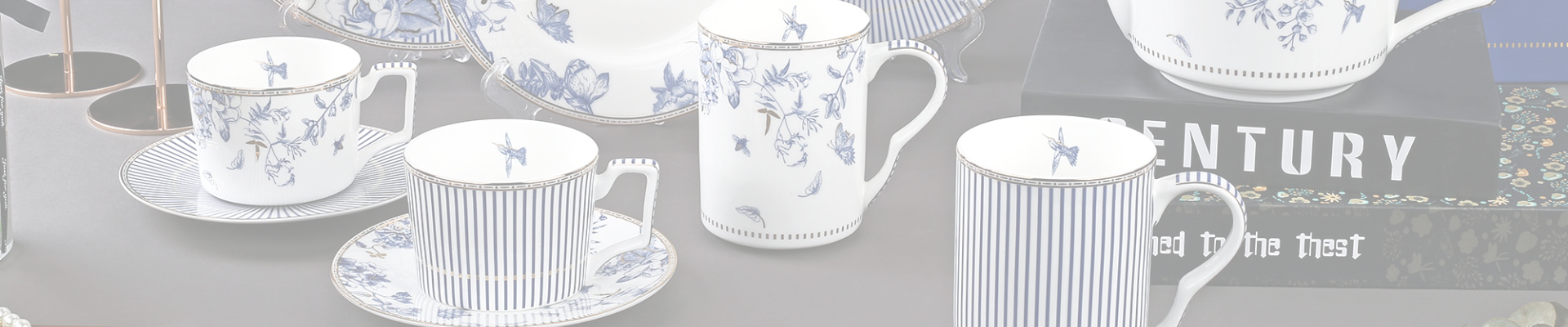
The Art of Tea Drinking: Choosing the Right Porcelain Tea Set
Why Porcelain Matters: Material Impact on Tea Experience
A good porcelain tea set transforms simple brewing into something special, blending practical design with beautiful looks. According to studies done at the China Tea Science Research Institute, porcelain actually boosts certain taste compounds in tea around 22 percent more than other materials do. This happens because porcelain is made through a high firing process that makes it non reactive, so it doesn't interfere with the tea's natural flavors during steeping.
How Porcelain Enhances Aroma, Temperature Retention, and Mouthfeel
Porcelain has this really dense, glassy surface that doesn't absorb oils at all, so there's no lingering flavors when switching between different types of tea like green, black, or those fancy floral blends. What makes porcelain special is how evenly it distributes heat, keeping the water at just the right temperature for longer periods. Some tests show that oolong and pu-erh teas can stay at their best steeping temps about 40 percent longer in porcelain compared to regular stoneware, though results might vary depending on the specific brand. The inside of porcelain teaware feels super smooth too, which helps bring out those delicate flavor profiles without any unwanted aftertastes getting in the way.
The Role of High-Fired Porcelain in Preserving Tea Flavor and Purity
Fired above 1,300°C, high-fired porcelain becomes fully vitrified, closing microscopic pores that could trap residues or distort taste. This impermeability is especially beneficial for delicate, lightly oxidized teas like white peony or jasmine pearls, which are sensitive to off-notes from reactive or porous materials.
Aesthetic Value of Porcelain in Elevating Tea Rituals and Daily Use
The luminous quality of porcelain, often adorned with hand-painted designs such as Sometsuke blue-and-white patterns, transforms tea preparation into a mindful ritual. According to a 2023 survey, 78% of tea drinkers report heightened sensory focus when using visually refined porcelain, reinforcing its role in daily contemplative practice.
Regional Traditions in Porcelain Tea Set Craftsmanship
Japanese Porcelain: Tokoname, Hasami, and Kutani Styles Compared
The different kinds of porcelain made across Japan really show how varied their approach to tea can be. Take Tokoname teapots for example they've been around since the Edo period and are made from special clay that's rich in minerals. The inside isn't glazed at all, which actually brings out those grassy flavors in green tea better than anything else. Then there's Hasami ware coming out of Nagasaki. These pots have super thin walls, sometimes less than what most people would expect. This helps keep the tea tasting fresh and vibrant, especially when brewing sencha. Kutani porcelain is another standout because of its beautiful painted designs that often depict scenes from nature. According to some research published last year in Ceramic Arts magazine, those intricate patterns do more than look pretty they actually help retain heat about 18 percent better than regular plain surfaces. Pretty cool how art meets science here!
Sometsuke Blue-and-White Porcelain in Traditional Tea Culture
Sometsuke pottery started back during Japan's Edo era when potters began experimenting with blue decorations on their work. What makes this craft special is how they apply a thin glaze layer around 0.2 millimeters thick. This creates tiny surface textures that actually help direct tea aromas right up to our noses when we drink from them. The designs follow traditional tea ceremony rules where form follows function just as much as aesthetics matter. Today's craftspeople still stick to old methods learned from generations past. They fire these vessels at extremely high temperatures, somewhere near 1300 degrees Celsius, which gives the clay a clean white finish. This background color really lets the tea's natural colors stand out clearly against it.
Chinese, English, and Japanese Porcelain: Functional and Artistic Differences
Chinese porcelain usually has a density around 2.4 grams per cubic centimeter, making it pretty sturdy for those heavier teas like oolong and pu-erh. The Brits took a different approach with their bone china, adding ash into the mix which helps keep things stable when pouring hot black tea. Japanese artisans really nail that balance between looks and function. Take a pot made in Kyoto, for instance it pours at about 0.8 milliliters per second, helping control that bitter taste sometimes found in green teas. Compare this to Yixing style ware which flows faster, around 1.2 ml per second, extracting more flavor from the leaves. Why these differences? Well, it all comes down to local materials. Japanese gairome clay actually has about 12 percent more quartz than Chinese kaolin, and this affects how heat moves through the ceramic body during brewing.
Design and Components of a Functional Porcelain Tea Set
Essential Components: Teapots, Cups, and Accessories for Seamless Brewing
A well-designed porcelain tea set includes a teapot, cups, and supporting tools. High-fired porcelain (1,300°C+) ensures flavor neutrality and a smooth mouthfeel. Integrated accessories like strainers and trays streamline brewing—research from the China National Tea Museum found coordinated sets reduce preparation time by 40% compared to mismatched components.
Teapot Styles (Kyusu, Houhin) and Their Fit for Different Teas
Style |
Best For |
Porcelain Benefit |
Kyusu |
Green teas |
Wide base promotes even leaf expansion |
Houhin |
Delicate oolongs |
Compact lidless design prevents oversteeping |
Kyusu teapots, featuring side handles and broad bodies, suit lower-temperature infusions for Japanese green teas. Houhin pots, small and open-lid, allow quick pours that preserve the floral complexity of high-mountain oolongs by leveraging porcelain’s faster cooling rate.
Cup Types (Yunomi, Lidded Cups) and Their Sensory Influence
Yunomi cups—cylindrical and handleless—encourage heat dissipation for everyday drinking. Lidded cups concentrate aroma, enhancing ceremonial tastings. With wall thickness between 0.5–2mm, porcelain amplifies texture perception; a 2023 ceramic engineering report noted 22% higher tannin detection in porcelain versus stoneware.
Spout Design, Handle Ergonomics, and Heat Control in Porcelain Sets
Spouts angled at 45–60° enable precise, drip-free pouring essential for gongfu brewing. Double-walled handles stay below 50°C during prolonged steeps, meeting ISO 14507:2018 safety standards. Ribbed bases improve grip by 31% over smooth finishes, according to ergonomic testing at the Jingdezhen Ceramic Institute.
Matching Porcelain Tea Sets to Brewing Methods
Gongfu Brewing vs. Casual Infusion: Design Needs for Each Method
Getting good at gongfu style brewing means paying attention to details. Small porcelain teapots around 100 to 150 ml work best when they have those thin walls and narrow spouts that let water pour out quickly but still under control. Most people find these kinds of pots really helpful for making those quick infusions we usually do with oolong or pu-erh teas, where steeping time matters a lot. When someone just wants to relax and make tea without all the fuss, bigger pots in the 300 to 500 ml range are much better. They typically come with handles that feel right in hand and wider bases so they sit steady on tables. These larger vessels make sense for herbal blends or other loose leaf varieties that need longer steep times anyway.
Porcelain’s Thermal Properties for Green, Black, and Oolong Tea Preparation
The low porosity of porcelain makes it basically perfect as a brewing vessel for green teas that need water temperatures around 160 to 180 degrees Fahrenheit. According to research published by the Tea Research Association last year, porcelain keeps heat about 18 percent longer compared to glassware, which means it works just fine for those stronger black teas that require boiling water between 200 and 212 degrees. What really stands out though is how slowly porcelain loses heat—somewhere between 3 and 5 degrees per minute—which helps prevent oolong teas from getting bitter or astringent during steeping. This gentle heating preserves all those delicate floral aromas and fruit flavors that make quality oolongs so special.
How Shape and Volume Affect Leaf Expansion and Infusion Control
- Tall cylindrical cups intensify aroma for fragrant teas like jasmine green
- Wide-bodied teapots (¥80mm diameter) allow full unfurling of rolled oolongs
- 20–30° angled spouts minimize turbulence, reducing bitterness in fine particles
A 120ml kyusu optimizes sencha brewing by limiting leaf movement, while a 250mm lotus-shaped pot ensures balanced extraction for compressed pu-erh cakes.
Caring for Your Porcelain Tea Set: Maintenance and Longevity
Preserving your porcelain tea set ensures lasting performance and beauty. While high-quality porcelain resists stains and odors due to its non-porous nature, proper care safeguards glazes and intricate artwork.
Best practices for cleaning, drying, and storing porcelain tea ware
- Handwash after each use with pH-neutral soap and lukewarm water to protect painted details
- Dry thoroughly with a microfiber cloth, focusing on crevices near spouts and handles to prevent mineral buildup
- Store vertically on padded shelves or in breathable fabric sleeves to avoid chipping and dust accumulation
Preventing thermal shock and staining in high-quality porcelain
Always preheat porcelain teapots with warm water before adding boiling liquid to prevent cracking. For persistent tea stains, use a baking soda soak rather than abrasive cleaners. Displaying sets in glass-front cabinets reduces handling and cleaning frequency, helping maintain both condition and visual appeal.
FAQ
Why does porcelain enhance tea taste?
Porcelain is fired at high temperatures, making it non-reactive. This ensures the tea's natural flavors remain unaltered during brewing, enhancing the overall taste experience.
How do Japanese porcelain styles influence tea flavor?
Japanese porcelain, such as Tokoname and Hasami, utilizes unique clays and thin walls which help accentuate and preserve specific tea flavors.
What's the difference between porcelain and bone china?
Bone china includes ash, making it stable and durable but less dense than porcelain. Porcelain is often associated with better heat retention and flavor neutrality.
How should I care for my porcelain tea set?
Handwash using pH-neutral soap, dry thoroughly, and store properly to avoid chipping. Preheat pots to prevent thermal shock and opt for gentle cleaning methods for stains.
What are the benefits of using a porcelain tea set for gongfu brewing?
Porcelain's heat retention and non-reactive surface make it ideal for gongfu brewing, which requires multiple short infusions to extract the best flavors from the tea leaves.