
 EN
EN
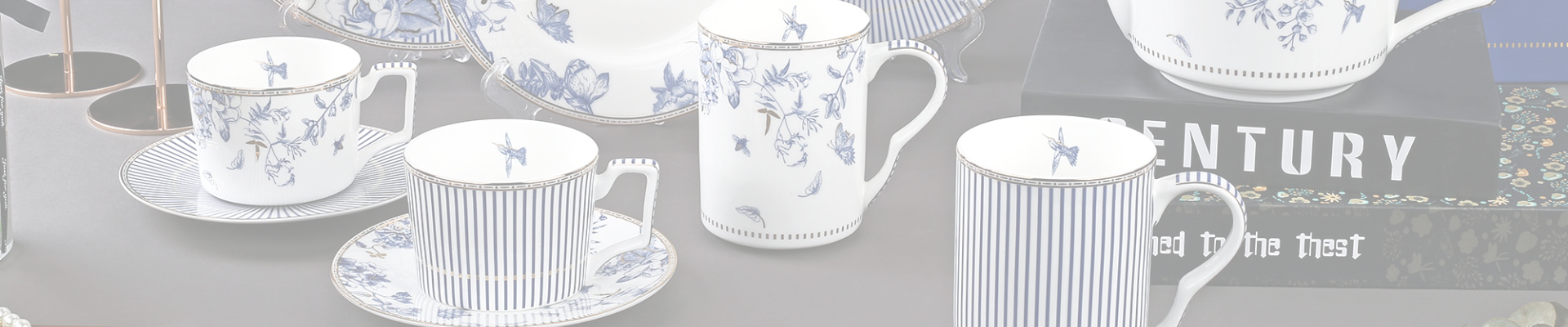
Най-добрите чашки от порцелан за любители на чая
Защо порцелановите чаши за чай осигуряват непревзойдена ясност на вкуса и термичен контрол
Химическа неутралност и непореста повърхност запазват летливите ароматни съставки на чая
Порцеланови чаши за чай са химически инертни и непорести — свойства, постигнати чрез витрифициране при висока температура. За разлика от порестите алтернативи, като например неглазирана глина, която може да задържа до 30 % от летливите ароматни съединения от предишни заварявания („Tea Research Journal“, 2023), непроницаемата глазура на порцелана изцяло предотвратява абсорбцията на вкусови нюанси. Тази непроменимост гарантира, че фините цветни нотки на зеления чай с жасмин или плодовите оттенъци на дарджилинг остават чисти и недеформирани. От решаващо значение е, че тя позволява последователно дегустация на контрастиращи чайове — например лек бял чай „сребърна игла“, последван от силния шоу пу-ер — без кръстосано замърсяване, което прави порцелана еталон за прецизна оценка на характера, определян от тероар.
Прецисното задържане на топлината осигурява оптимални температури за заваряване на деликатни чайове
Плътната, стъкленоподобна структура на порцелана осигурява превъзходно термично регулиране: той се охлажда приблизително с 20 % по-бавно от стъклото и избягва металния привкус, който често се наблюдава при неръждаема стомана. Тази стабилност поддържа прецизни температурни диапазони, които са съществени за уравновесено извличане при всички категории чай:
| Вид чай | Оптимален обхват | Предимство на порцелана |
|---|---|---|
| Зелено/бяло | 65–82 °C | Предотвратява горчивостта от изгаряне |
| Улонг | 85–96 °C | Постепенното охлаждане подобрява сложността |
| Черен | 93–100 °C | Поддържа пълноценно извличане |
Такъв контрол позволява белият чай „Сребърна игла“ да разкрие медената си сладост без вярност, докато високоизпеченият пу-ер развие многослойна земиста дълбочина. Равномерното топлинно разпределение също елиминира локалното прекалено извличане — често срещан проблем при по-тънки или неравномерно изпечени керамични изделия.
Порцелан от Цзиндецзен: Златният стандарт в производството на премиални порцеланови чаши
Глина, богата на каолин, и витрификация при висока температура осигуряват здравина, полупрозрачност и акустична резонансност
Отличителната черта на Цзиндешен започва с местно добивана каолинова глина — естествено усъвършенствана през хилядолетия в изключително чиста кремниево-алуминиева матрица. При изпичане над 1300 °C тази глина преминава напълно през процеса на витрификация: стъклообразуването елиминира порите, докато се формират взаимно свързани кристални структури. Резултатът е триада функционални предимства:
- Полупрозрачност , създадена чрез дифракция на светлината през микроскопични кварцови кристали, позволява визуална оценка на прозрачността и оттенъка на напитката;
- Отношение на сила към тегло , което позволява стени толкова тънки, че осигуряват фин тактилен отклик, но в същото време достатъчно устойчиви, за да издържат многократни цикли на термично разширение и свиване;
- Акустичен резонанс , при който ясен и продължителен звук при леко почукване потвърждава пълната витрификация и липсата на микропукнатини — за разлика от глухия звук на каменна керамика, този тон сигнализира структурна надеждност.
Техниките за синьо-бяла глазура като функционални индикатори на качеството на чашата и нейното термично поведение
Далеч от естетическата традиция, синьо-белият глазур от кобалтов оксид на Цзиндешен служи като калибриран маркер на производителността. Майсторите прилагат тези глазури в ултраневидки, равномерни слоеве преди високотемпературно изпичане — което гарантира:
- Постоянно разпределение на топлината , като минималната вариация в дебелината предотвратява термични горещи точки;
- Устойчивост към пукане („кракелюр“) , тъй като точно съответстващите коефициенти на термично разширение между глазурта и глиненото тяло предотвратяват микропукнатини при многократно нагряване и охлаждане;
- Химически неактивни уплътнения , където пълното спояване създава непроницаема бариера, която гарантира неутралност на вкуса при безброй заварки. Многократното изпичане на глазурите — отличителна черта на най-елитните работилници в Цзиндешен — допълнително усилва издръжливостта и химическата стабилност, без да се компрометира термичната чувствителност.
Геометрията на чашата има значение: как формата, обемът и дизайновото решение на ръба оптимизират производителността за конкретен вид чай
Физическата архитектура на порцелановата чаша за чай директно определя възприятието на аромата, топлинното затихване и предаването на усещането в устата. Две основни геометрии са адаптирани към различни категории чай — всяка от тях е проектирана така, че да поддържа сензорните и биохимичните изисквания на конкретни видове чайни листа.
Плоски порцеланови чаши за чай с широко ръбче за бял и зелен чай: максимизиране на дифузията на аромата и нежното охлаждане
Бялото и зеленото чай използват летливи високи ноти — цветни, тревисти или сладки, — които бързо изчезват, ако се задържат или прегряват. Чашите с широки ръбове и плитка форма максимизират повърхностната площ, ускорявайки отделянето на ароматните молекули към обонятелните рецептори. Ниската им форма също допринася за по-бързо и контролирано охлаждане: напитката достига идеалния температурен диапазон за пиене (60–70 °C) за 90 секунди — достатъчно студена, за да предпази деликатните листа от горчивост, причинена от изгаряне, но достатъчно топла, за да поддържа летливостта на аромата. Фино стесняващият се и тънък ръб осигурява чист и необструктивен поток през предната част на езика, където се намират вкусовите рецептори за сладко, което усилва първоначалното усещане за вкус.
По-високи и по-тесни порцеланови чашки за чай със стесняващи се ръбове за улонг и пу-ер: концентрират аромата и запазват топлината
Улуните и ферментираните пу-ерове изискват както топлинна устойчивост, така и ароматна концентрация. Цилиндричните чаши със стеснен профил намаляват експонираната повърхност и задържат топлината до 30 % по-дълго в сравнение с по-плитките варианти. Стеснените ръбове действат като ароматни фунии — насочват възходящите летливи съединения нагоре към носната кухина, за да уловят променящите се ароматни нюанси, от орхидееви цветни нотки до печени кестенови или влажно-земисти оттенъци. По-дебелите стени осигуряват допълнителна топлоизолация, подпомагайки продължителни сесии с многократно заваряване без рязко падане на температурата — което е от решаващо значение за разкриване на пълния ароматен и вкусов потенциал на сложни, окислени или стареещи листа.
Съвременни иновации в дизайна на порцеланови чашки за чай: двойностенни, вдъхновени от гайван и ергономични форми
Съвременната порцеланова конструкция съчетава проверената с времето материална наука с функционалност, ориентирана към човека. Двойната стена използва вакуумно запечатани порцеланови слоеве, за да удължи задържането на топлината с 25 % спрямо традиционните едностенни чаши — при това външната повърхност остава хладна на допир и кондензацията се изключва напълно. Адаптациите, вдъхновени от гайван, преосмислят капака и чашата като непрекъснато пиене: интегрираните капаци улавят ароматните съставки по време на изстиване и позволяват точно регулиране на времето за изстиване. в рамките самата чаша — обединявайки приготвянето и дегустацията в един жест. Ергономичните подобрения — включително оформени дръжки, дискретни опори за палец и балансирано разпределение на теглото — намаляват умората на ръката до 40 % по време на продължителни церемонии (Общество по човешки фактори, 2023 г.), докато микротекстурираните повърхности подобряват сигурността на хващането, без да нарушават изискания финиш на порцелана. Заедно тези иновации отговарят на три устойчиви приоритета:
- Топлинна ефективност който уважава химията на чая, без да жертва елегантността;
- Ритуална функционалност , свиване на етапите между подготовката и оценката;
-
Физическо удобство , което гарантира, че ежедневната практика ще остане устойчива и радостна.
Те не отразяват отклонение от традицията, а нейното разумно развитие.
Често задавани въпроси
Защо порцеланът е по-добър за запазване на ароматните качества на чая?
Порцеланът е химически инертен и непорест, което предотвратява абсорбцията на вкусове и кръстосаното замърсяване между различни заварки.
Как порцеланът регулира температурата по време на подготовката на чай?
Неговата плътна структура се охлажда по-бавно от стъклото и избягва въздействието на метален вкус, поддържайки оптималните температурни диапазони за извличане.
Защо порцеланът от Цзиндецзен се счита за златен стандарт?
Порцеланът от Цзиндецзен комбинира състав, богат на каолин, витрификация при висока температура и изключително внимателно занаятчийско изпълнение, което осигурява безпрецедентна якост, полупрозрачност и термична производителност.
Как геометрията на чашата за чай влияе върху аромата и задържането на топлината?
Плоските чаши с широки ръбове освобождават ароматите бързо — подходящи за бели и зелени чайове, докато по-високите и по-тесни чаши концентрират аромата и по-добре задържат топлината — подходящи за улун и пуер чайове.