
 EN
EN
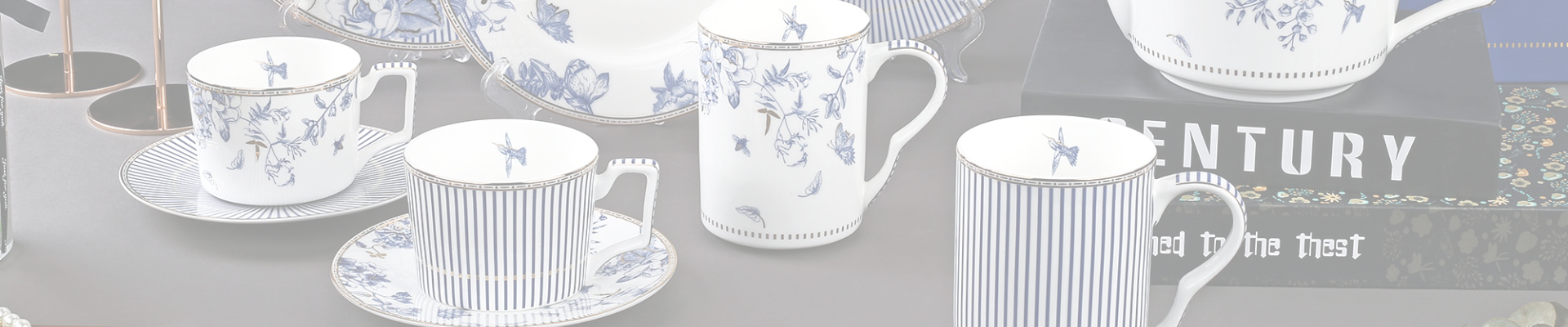
Die besten Porzellan-Espresso-Tassen für Heim-Cafés
Warum Porzellan-Kaffeetassen eine überlegene Espresso-Leistung bieten
Wärmespeicherung und Wärmeverteilung: Porzellan im Vergleich zu Keramik, Steingut und Feinporzellan
Kaffeetassen aus Porzellan übertreffen Alternativen bei der Wärmeverwaltung aufgrund ihrer ultradichten, verglasten Mikrostruktur. Während Keramik und Steinzeug Wärme schnell verlieren – innerhalb von 10 Minuten um 15 °C abkühlen – hält Porzellan Espresso bis zu 30 Minuten länger im idealen Serviertemperaturbereich (92–96 °C) (Material Science Institute, 2023). Seine geringe Porosität (< 0,5 %) minimiert den Wärmeübergang, und seine ausgewogene thermische Masse gewährleistet eine gleichmäßige Wärmeverteilung ohne Verbrühungsgefahr – wodurch die Crema-Integrität und die geschichteten Geschmacksnoten bewahrt werden. Feinporzellan erreicht zwar dieselbe Dünne wie Bone China, weist jedoch bei wiederholtem thermischem Schock weniger Beständigkeit auf; die raue Textur von Steinzeug beschleunigt die Abkühlung, und die ungleichmäßige Glasur von Keramik erzeugt Hotspots.
Dichte und Brennwissenschaft: Wie die Verglasung bei 1.300–1.450 °C den Espresso bei 92–96 °C stabilisiert
Bei einer Temperatur von 1.300–1.450 °C wird Porzellan vollständig vitrifiziert – dabei verwandelt sich Kaolinton in eine glasartige, molekular stabile Matrix. Dieser Prozess beseitigt Mikrorisse, die bei keramischen Werkstoffen mit niedrigerer Brandtemperatur (typischerweise < 1.200 °C) häufig auftreten, und gewährleistet ein konsistentes thermisches Verhalten, das für den engen optimalen Temperaturbereich von Espresso entscheidend ist. Bei 92–96 °C verdampfen flüchtige aromatische Verbindungen präzise; Temperaturschwankungen infolge minderwertiger Materialien beeinträchtigen diese feinen Nuancen. Die nahezu null Prozentige Wasseraufnahme des Porzellans (< 0,1 %) verhindert zudem Geschmacksverunreinigungen – ein entscheidender Vorteil gegenüber porösem Steinzeug. Das Ergebnis ist eine um 20 % langsamere Abkühlungsrate im Vergleich zu Standardkeramik, wodurch Espresso vor vorzeitigem Oxidationsprozess geschützt und die sensorische Treue von dem ersten bis zum letzten Schluck bewahrt wird.
Die 3 besten Premium-Porzellan-Kaffeetassen für Heim-Baristas
Die Auswahl der richtigen Porzellan-Kaffeetassen steigert das Espressovergnügen durch präzise Konstruktion und hervorragende Materialqualität. Diese erstklassigen Modelle vereinen thermische Leistung, Sicherheit und ergonomisches Design für anspruchsvolle startseite baristas.
Le Creuset Signature Porzellan: Spülmaschinenfeste Haltbarkeit mit einer thermischen Masse von 2,8 mm
Dieses Sortiment ist bekannt für seine schlagfeste Bauweise und wird bei 1.300–1.450 °C vitrifiziert, um eine optimale Dichte zu erreichen. Die Wandstärke von 2,8 mm verlängert die Temperaturhaltung des Espressos um 37 % gegenüber Standardkeramiken (industrieweite Referenzwerte für Wärmeretention). Die spülmaschinenfeste Verarbeitung gewährleistet Langlebigkeit, ohne die nichtporöse Oberfläche zu beeinträchtigen, die Geschmabsaufnahme verhindert.
LuxeLine Reinweiße Vitrifizierte Tassen: FDA-zertifizierte, bleifreie Glasur und optimale Randdicke
Diese Becher verfügen über laborgeprüfte, von der FDA zertifizierte bleifreie Glasur und erfüllen strenge Lebensmittelsicherheitsstandards. Die 1,2 mm starke, konisch zulaufende Randform leitet aromatische Verbindungen gezielt zur Nase und unterstützt gleichzeitig die Integrität der Crema. Unabhängige Drittpartei-Tests bestätigen eine Porositätsrate von lediglich 0,3 %, wodurch effektiv Verfärbungen verhindert werden – selbst nach Hunderten von Gebrauchsvorgängen.
Funktionale Designgrundlagen: Füllvolumen, Form und sensorische Wirkung von Porzellan-Espressotassen
fassungsvermögen von 2–3 oz, konisch zulaufender Rand und Vorwärmprotokoll zur Erhaltung der Crema und Konzentration des Aromas
Optimale Porzellan-Espressotassen vereinen präzise Konstruktion mit sensorischer Wissenschaft. Ein Fassungsvermögen von 2–3 oz (60–90 ml) konzentriert die Aromastoffe und minimiert gleichzeitig die Oberflächenexposition – was entscheidend ist, da größere Volumina den Zusammenbruch der Crema um 40 % beschleunigen (Specialty Coffee Association, 2023). Konisch zulaufende Ränder lenken die Verdunstung gezielt zu den olfaktorischen Rezeptoren und verstärken dadurch die wahrgenommene Süße; Studien belegen, dass Modelle mit glattem Rand die Geschmacksintensität um 22 % steigern im Vergleich zu Alternativen mit dickem Rand.
| Designelement | Funktion | Auswirkung auf den Espresso |
|---|---|---|
| fassungsvermögen von 2–3 oz | Begrenzt die Oberflächenexposition | Erhält die Crema-Dicke |
| Abgeschrägter Rand | Konzentriert die Aromadiffusion | Verstärkt fruchtige/nußige Noten |
| Vorgewärmte Tasse | Hält die Brühtemperatur von 92–96 °C aufrecht | Verhindert thermischen Schock für die Öle |
Das Vorwärmen ist zwingend erforderlich: Wenn Espresso in porzellanene Tassen mit Raumtemperatur eingegossen wird, kühlen die Shots innerhalb von 15 Sekunden um 8–10 °C ab – wodurch die zarte Crema zerstört wird. Branchentests bestätigen, dass vorgewärmtes Porzellan die Extraktionstemperatur über drei Minuten stabilisiert und so das vollständige Entfalten geschichteter Geschmacksnoten ermöglicht.
Materialkennwerte, die zählen: Porosität, Gewicht und Langzeitnutzbarkeit von Porzellan-Kaffeetassen
Die Überlegenheit von Porzellan beruht auf drei messbaren Eigenschaften: Nichtporosität, optimiertes Gewicht und strukturelle Langlebigkeit. Die Verglasung bei 1.300–1.450 °C erzeugt eine undurchdringliche Oberfläche – wodurch mikroskopisch kleine Poren, die Kaffeeöle festhalten und Verfärbungen verursachen, eliminiert werden. Diese Dichte verhindert die Aufnahme von Geschmacksstoffen und widersteht gleichzeitig thermischem Schock durch die Serviertemperatur von Espresso (92–96 °C). Im Gegensatz zum porösen Tonkörper von Steingut bewahrt hochgebranntes Porzellan über Tausende von Brühvorgängen hinweg seine Reinheit. Die Gewichtsverteilung vereint Haltbarkeit mit Ergonomie: Dünnere Wände (häufig unter 3 mm) gewährleisten eine Wärmespeicherung, die derjenigen dickerer Keramiken vergleichbar ist, reduzieren jedoch die Belastung des Handgelenks bei längerem Gebrauch. Studien bestätigen, dass die Bruchfestigkeit von Porzellan höher ist als die von Alternativen; die Chipprate liegt um 40 % unter der von Steingut infolge kristalliner Verstärkung. Die intrinsische Härte gewährleistet jahrzehntelange spülmaschinengeeignete Nutzung ohne Trübung der Glasur oder Mikrorisse – validiert durch beschleunigte Verschleißtests, die mehr als 10 Jahre täglichen Betriebs simulieren. Bei der Auswahl von Porzellan-Kaffeetassen sollten Sie ISO 6486-konforme bleifreie Glasuren, verglaste Körper mit einer Dichte unter 2,7 g/cm³ sowie Thermoschock-Bewertungen von mehr als 180 °C ΔT priorisieren, um eine sichere Einhaltung der Standards für Spezialkaffee zu gewährleisten.
Frequently Asked Questions (FAQ)
Warum ist Porzellan für Kaffeetassen besser geeignet als Keramik oder Steinzeug?
Porzellan bietet eine überlegene Wärmebindung, hält Espresso länger auf der optimalen Serviertemperatur und weist eine nichtporöse Oberfläche auf, die Aromen bewahrt und Verfärbungen verhindert.
Warum ist die Verglasung bei Porzellan-Kaffeetassen wichtig?
Die Verglasung bei hohen Temperaturen (1.300–1.450 °C) beseitigt Mikrorisse und erzeugt eine dichte, glasähnliche Struktur. Dadurch wird die thermische Leistungsfähigkeit stabilisiert, die Porosität verringert und die Langzeit-Haltbarkeit sichergestellt.
Sind Porzellan-Kaffeetassen spülmaschinengeeignet?
Ja, die meisten hochwertigen Porzellan-Kaffeetassen sind spülmaschinengeeignet, und ihre nichtporöse, verglaste Oberfläche widersteht Verstopfungen, Verfärbungen und Abnutzung selbst nach jahrelangem Spülen.
Warum ist das Vorwärmen von Espressotassen unerlässlich?
Das Vorwärmen hält die Brühtemperatur länger konstant, bewahrt die Crema und die feinen Aromen. Das Eingießen von Espresso in eine kalte Tasse führt zu einer schnellen Abkühlung und beeinträchtigt damit das sensorische Erlebnis.
Auf welche Größe und welchen Designmerkmale sollte ich bei Espressotassen aus Porzellan achten?
Wählen Sie Tassen mit einem Fassungsvermögen von 2–3 oz und einer sich verjüngenden Tassenkante, um die Konzentration des Aromas zu verbessern und die Integrität der Crema zu bewahren. Glatte, dünne Ränder tragen zudem zu einer besseren Geschmackswahrnehmung bei.