
 EN
EN
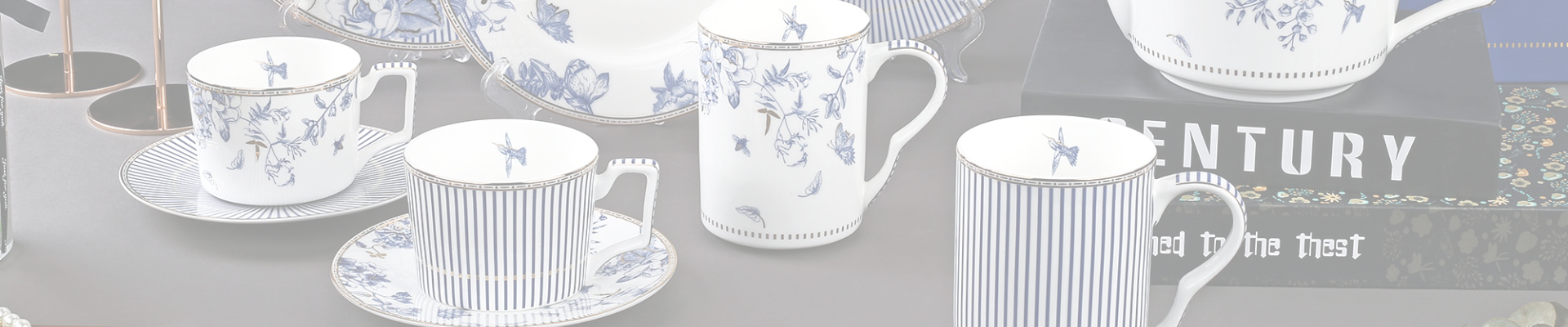
Փորսելանե ապուրի ամաններ. դասական ընտրություն
Ժամանակակից նրբագեղություն. Փորսելանե ապուրի ամանների էսթետիկ և գործառույթային գայթակղություն
Ինչու փորսելանե ապուրի ամանները մնում են ժամանակակից խոհանոցների սիրելի ընտրությունը
Porcelain ապուրի ամաններ դեռևս պահպանում են իրենց տեղը շատ խոհանոցներում, քանի որ լավ են նայվում և հարմար են օգտագործման համար: Մակերեսը չի կլանում բծեր կամ հոտեր, ուստի ամենաանկարգ ճաշից հետո էլ մաքրելը հեշտ է: Այս ամանները հեշտությամբ կարող են կրել ինչպես տաք ապուրը, այնպես էլ հաստ սեղանային ապուրը՝ պահելով պարունակությունը բավականաչափ տաք, առանց մատները այրելու, երբ ինչ-որ մեկը ձեռք է տարածում մեկ այլ գդալ վերցնելու համար: Սակայն այն, ինչ իսկապես առանձնացնում է ֆարֆորը, դա նրա տեսքն է սեղանի վրա: Պարզ սպիտակ ամանը կարող է անցում կատարել շաբաթօրյա ընթրից հանգստյան ճաշին՝ ընդհանրապես անտեսանելի մնալով: Նրանց համար, ովքեր ցանկանում են մի բան, որը տարիներ կտևի, սակայն բավականաչափ գեղեցիկ կլինի հյուրերի համար, ֆարֆորը բավարարում է երկու պահանջներն էլ:
Ամենօրյա ճաշի բարձրացում՝ նուրբ էլեգանտությամբ և դիզայնով
Փորսելանը հիանալի ձևով է ներկայացնում նույնիսկ հիմնական կերակուրները՝ դարձնելով դրանք ավելի հատուկ ափսեի վրա: Երբ սնունդը գտնվում է այդ պայծառ սպիտակ մակերևույթին, ամեն ինչ ավելի շատ է ակնառու դառնում: Վերցրեք, օրինակ, պարզ լոլիկի ապուրը կամ հատիկային սալաթը, և հանկարծ գույները թվում են ավելի հարուստ, իսկ ներկայացումը՝ ռեստորանային ոճի: Լավ փորսելանե ամանների դասական ձևերը ամենօրյա ճաշի սեղանին ավելացնում են էլեգանտության ձևանմուշ՝ առանց չափազանց շքեղ լինելու: Մարդիկ հաճախ ընտրում են փորսելան, երբ ցանկանում են, որ իրենց կերակուրները ավելի մտահոգված տպավորություն թողեն, գրեթե ինչպես եթե հյուրերի համար սեղան կարգավորեին, նույնիսկ երբ ընտանիքի հետ են նստում: Ողջ այս տեսողական և գործառույթային համադրությունն է պատճառը, որ այնքան շատ խոհանոցներ այս օրեն էլ լի են այս ամաններով՝ չնայած այժմ հասանելի ժամանակակից այլընտրանքներին:
Տրենդերից անկախ. Փորսելանի հավերժական գեղեցկությունն ու բազմակի օգտագործումը
Փորսելանը չի համապատասխանում այն մոդներին՝ ճաշի սկահակներին, որոնք մեկ կամ երկու սեզոնից հետո դուրս են գալիս ձևից: Մարդիկ սերնդե սերունդ փորսելանե ամաններ են օգտագործում, քանի որ դրանք հիանալի են ամեն տեսակ կերակրի համար: Սկսեք օրը տաք կաշվից, հաճույքով ուտեք ճապոնական ռամենը ճաշին, ապա ավարտեք օրը բաղարար չաուդերի ամանով՝ ամեն ինչ հնարավոր է առանց այն անհարմար թվալու, որ այն տեղին չէ: Անկախ նրանից՝ արդյոք մարդիկ նախընտրում են տաք ֆերմերական խոհանոց, թե ժամանակակից մինիմալիստական ոճ, փորսելանը հարմարվում է ցանկացած ինտերիերի: Փորսելանի պարզ գեղեցկությունը նշանակում է, որ այս ամանները երկար ժամանակ չեն մնա փոշով ծածկված պահեստում: Ընտանիքների համար, ովքեր ցանկանում են որակյալ ամանեղեն, որը տևում է տարիներով, այլ ոչ թե ամիսներով, փորսելանի մեջ ներդրում կատարելը իմաստ ունի ինչպես գործնական, այնպես էլ էսթետիկ տեսանկյունից:
Նյութի գերազանցություն. Փորսելանի ջերմության, կոտրվածքների և անվտանգության առավելությունները
Գերազանց ջերմադիմադրություն տաք ապուրներ և ապուրահացեր մատուցելու համար
Երբ պորսելանը թրծվում է այդքան բարձր ջերմաստիճանների դեպքում, առաջանում է շատ խիտ, ամուր կառուցվածք, որն արդյունավետ պահում է տաքությունը: Նրանք, ովքեր հաճախ են խոհանոցում աշխատում, նկատում են, որ իրենց ապուրը պորսելան ամաններում շատ ավելի երկար է մնում տաք, քան սովորական կերամիկական կամ փոքրաքարե ամաններում, որոնք նրանք նախկինում օգտագործել են: Պորսելանի մեկ այլ առավելությունն այն է, որ այն չի ճեղքվում տաքից սառը կամ հակառակը տեղափոխելիս: Այսպիսով, մարդիկ կարող են անմիջապես վերցնել իրենց ամանը կրակից և դնել ճաշի սեղանին՝ առանց վախենալու, որ այն կոտրվի: Դա պորսելանը հատկապես հարմար է լցնելու ապուրներ կամ թեյը եփելուց անմիջապես հետո:
Բնորոշ փոշորդման դիմադրություն կերամիկայի և փոքրաքարի համեմատ
Փորսելիկը ունի այս հիասքած ապակու նման մակերեսը, որը հիմնականում դարձնում այն խոնավակայուն, հատկապես դեմ այն կողմնական մութ սննդամթերքներին, որոնք մենք բոլորս սիրում ենք՝ կարմի կարի, լոլիկի սոսնձեր, նույնիսկ կարմի գինի: Սովորական կերամիկական ապրանքները սովորաբար ժամանակի ընթացքում կլանում են այս գույները և պահանջում հատուկ խնամք, որպեսզի լավ տեսք ունենան: Սակայն փորսելիկը պարզապես անտար է լցման և հեշտությամբ մաքրվում առանց հատուկ ջանքերի: Փորսելիկ սեղանի ապրանքներ ունեցող մարդիկ նկատում են, թե ինչպես է այն տարիներ շարունակ պահպանում իր նորություն ամենօրյա օգտագործման դեպքում: Սնունդը նույնիսկ չի կպչում դրան, ինչը նշանակում է, որ ավելի քիչ բակտերիաների թաքնելու վայրեր կան և ավելի հեշտ մաքրման գործընթաց ամենօրյա հարստի խոհանոցներում:
Ոչ թունավոր, ոչ թափանչող մակերես՝ անվտանգ և հիգիենիկ սննդի օգտագործման համար
Փորսելանը ունի հիանալի լաքապատված մակերևույթ, որն արգելակում է բակտերիաների աճը և քիմիական նյութերի ներծծումը, ինչի շնորհիվ էլ այն այդքան լավ է սեղանի շուրջ առօրյա կերակուրների համար: Այս նյութը ընդհանրապես չի ներծծում համեր կամ այլ անսովոր նյութեր՝ այն ինչ էլ լինի դրված այնտեղ, ուստի կերակուր սպասքելիս ամեն ինչ ճիշտ այնպես է համ տալիս, ինչպես պետք է, առանց ցանկացած անհարմար համի: Հավանաբար այս պատճառով էլ փորսելանե ամանները այդքան լավ են աշխատում երեխաներով ընտանիքներում: Ծնողները ցանկանում են իմանալ, որ կերակուրը մաքուր է և անվտանգ, հատկապես երբ մի քանի մարդ է օգտագործում նույն սպասքը ամբողջ օրվա ընթացքում:
Դիմացկունությունը բացահայտված. Փորսելանե ամանների ամրությունն ու երկարակեցությունը
Ինչպես է փորսելանը դիմանում առօրյա օգտագործմանը. ճեղքվածքներ, մաշվածք և կոտրվելու դիմադրություն
Փորսելանե ամանները սեղանին գեղեցիկ են թվում, սակայն ժամանակի ընթացքում դրանք հիանալի կերպով են պահպանվում: Երբ արտադրողները դրանք մշակում են բարձր ջերմաստիճաններում, հիմնականում կավը վերածվում է այնպիսի ամուր նյութի, որը հազվադեպ է ճեղքվում կամ գրողնում՝ համեմատած սովորական կերամիկական ամանների հետ, որոնք ամենուր են հանդիպում: Այդ իսկ պատճառով շատ ռեստորաններ տարիներ շարունակ օգտագործում են փորսելանե ամաններ՝ չնայած անընդհատ օգտագործման և արդյունաբերական ամանեղենի լվացիչներով հազարավոր լվացումների: Իհարկե, ոչ ոք ամեն ինչ անկոտրելի չի ստեղծում, սակայն այս ամանները շատ ավելի լավ են դիմանում կոտրման, քան ավելի էժան տարբերակները: Տնային խոհարարներն էլ սիրում են դրանք, քանի որ դրանք կարող են անմիջապես ավտոմատից տեղափոխվել վառարան՝ առանց ճեղքվելու, ինչը դրանք դարձնում է հիանալի ընտրություն ամեն ինչի համար՝ սկսած կիրակնօրյա խաշից մինչև շաբաթվա ընթացքում արագ պատրաստված ճաշեր, որոնք սեղան են մատուցվում անմիջապես ամանից:
Երկարաժամկետ արժեք միտումներին համապատասխան ճաշի ամանների փոխարեն
Բարձրորակ պորսելենյա սեղանի պատառաքաղ գնելը երկար ժամանակ շատ իմաստ ունի: Շատ էժան տարբերակները հաճախ արագ են վնասվում, մի քանի լվացումից հետո ներկը թույլատրվում է, իսկ կարմիր գինին կամ սուրճը հեշտությամբ թողնում են բծեր: Բարձրորակ պորսելենը տարիներ շարունակ պահում է իր գեղեցիկ տեսքը և կառուցվածքային ամրությունը՝ առանց արտաքին մաշվածության նշանների: Այն մարդիկ, ովքեր գնում են մոդայական ճաշի սեթեր, հաճախ ստ forced են դրանք փոխարինել մեկ կամ երկու տարի անց, ինչը ծախսեր է առաջացնում և ավելացնում է թափոնները: Երբ մտածում ենք էկոլոգիապես մաքուր լինելու և այն բանի մասին, ինչի համար վճարվել է, պորսելենը առանձնանում է որպես իմաստալից ներդրում, որը երկար տարիներ կարող է ծառայել շատ ճաշերի և հավաքների ընթացքում: տնտեսություն .
Խուլիղանք ընդդեմ իրականության. Արդյո՞ք իրոք պորսելանը փխրուն է
Մարդիկ հաճախ կարծում են, որ պորսելանը նուրբ է, որովհետև այն շատ շքական և նրբեղենի տեսք ունի: Սակայն նրանք չեն հասկանում, որ այս նյութը իրականում շատ լավ դիմադրում է ամենօրյա կրողականության: Պորսելանի խիտ կառուցվածքը նրան տալիս է մեծ կայունություն ճեղքերի և ճկվածքների դեմ: Իսկապես, ոչ մի կերամիկա չի կարող դիմանալ ամբողջովին ընկնելու հետևանքներին սեղանի վրայից, սակայն պորսելանը դիմադրում է ավելի լավ, քան շատ այլընտրաները՝ ենթարկվելով ստանդարտ կայունության փորձարկումների: Մեկ այլ գործոն, որը օգտակար է նրա համար, մոլեկուլների խիտ տեղավորումն է, ինչը նշանակում է, որ հիմնականում ջուրը չի կարող ներծծվել նրա մեջ: Սա պորսելանե ամաններին դարձնում է դիմադրություն ձևախաբման դեմ, երբ այս ամանները սառեցվում են կամ ենթարկվում են կտրուկ ջերմային փոփոխությունների, օրինակ՝ անմիջապես սառնարանից տեղափոխելու մանրաալիքային վառարան: Բոլոր այս գործոնների համադրումը բացատրում է, թե ինչու պորսելանե ամանները շարունակում են մնալ հայտնի ընտրություն այն դեպքում, երբ մարդիկ սպասք են տրվում պարզ ճաշի կամ կազմակերպում են բարդ ընթրիք:
Բազմակի օգտագործում՝ ամենօրյա սննդից մինչև հատուկ ընթրիքներ
Գործնականություն ամենօրյա օգտագործման մեջ. Իդեալական հացաբացերի, հացամսիների և այլնի համար
Փորսենային հացամսիները գործնական կերպով հեշտացնում են կյանքը: Այս ամանները շատ լավ պահում են ջերմությունը, չեն յարգում սննդի անոսող հոտները, ունեն եզրեր, որոնք հարմար են բռնելու համար, ինչպես նաև քաշը չանես շատ ծանր, ոչ թե շատ թեթև: Լավ են ամեն ինչի համար՝ սկսած տաք հացաբացերից ու հարուստ հացամսիներից մինչև առավոտյան հացամսիներ և նույնիսկ որոշ աղանդեր: Այս ամանները համատեղելի են գրեթե ցանկացած ճաշի դեպքում՝ առանց աղմուկի այլ ամանների հետ սեղանին: Ավելին, քանի որ դրանք կուտակվում են հարթ, դա ներկայացնում է ավելի քիչ տեղ կաբինաներում: Եվ չնայած դրանք օգտագործվում են ամենօրյա ռեստորաններում ու տներում, փորսենային ամանները տարիներ շարունակ մնում են տպավորված ինչպես նորը: Այսպիսով չկա անհրաժեշտություն ընտրել միջև մի բան, որը լավ է աշխատում, և մի բան, որը լավ տեսք ունի:
Ներկայացման բարելավումը զվարճանքի ու ձևականոնային դեպքերի համար
Այդ առավոտյան ձեթի ափսեները իրականում հիանալի են նաև ընթրիքի ժամանակ: Պարզ դիզայնը և փայլուն մակերեսը հիանալի հիմք են ապահովում բոլոր տեսակի շքեղ սննդի շարվածքների համար՝ թույլ տալով խոհարարներին ցուցադրել իրենց դեկորատիվ հմտություններն ու շերտավորման հնարքները: Առատ մսի հարյուրից մինչև գունավոր պարֆեի աշտարակներ՝ պորսելանը մի բան ունի, որ պարզապես հնչում է նրբագեղություն, համապատասխանելով այն ամենին, ինչ մարդիկ սպասում են բարձրակարգ ռեստորաններից: Վերջերս հրապարակված «Հանդերձանքի ստանդարտների զեկույցը» (2023) այս փաստը հաստատում է, նշելով, որ երբ սեղանի սարքավորումը թվում է համատեղված և լավ մտածված, հյուրերը, ընդհանուր առմամբ, ավելի լավ փորձ են ունենում: Ոչ մի հիացություն, որ իրադարձությունների կազմակերպիչներն ու ռեստորանների սեփականատերերը շարունակում են ընտրել պորսելանե առարկաներ:
Ճիշտ խնամք և պահպանում երկարակեցության համար
Պորսելանե ափսեներ մաքրելու և պահելու լավագույն մեթոդներ
Որպեսզի պորսելանե ամանները պահպանեն իրենց լավագույն տեսքը, ավելի լավ է դրանք լվանալ ձեռքով՝ օգտագործելով մեղմ օճառ և տաք ջուր, քան կիրառել ագրեսիվ խուսափող միջոցներ, որոնք կարող են գծավորել փայլուն ծածկույթը: Լվացումից հետո համոզվեք, որ դրանք լրիվ չորացված են մեղմ առավելությամբ շրջապատված արտադրանքով, որպեսզի խոչընդոտեք ջրի հետքերի առաջացմանը: Պահեստավորելիս միշտ տեղադրեք ամեն ամանի միջև ինչ-որ առաձգական նյութ՝ անձավների փոխադարձ բախումները և գծավորումները կանխելու համար: Եթե երկար ժամանակ եք պահելու, կարող եք օգտագործել մահուդե առանձնացնողներ կամ պարզապես փաթաթել յուրաքանչյուր աման բամբակե կտորով: Սա օգնում է պահպանել գեղեցիկ մակերեսը և կողերի կոտրվածքները կանխել ժամանակի ընթացքում:
Վնասվածքներից խուսափում. Միկրոալիքային, ամաններ լվացող մեքենա և ջերմային ցնցումների համար հարմար խորհուրդներ
Պորսելանե շիճուկների մեծամասնությունը հիանալի է աշխատում միկրոալժանյակներում և ամանմցման մեքենաներում, չնայած ամենևին էլ վատ չի լինի ստուգել, թե ինչ է ասում արտադրողը: Պորսելանի հետ կապված հիմնական խնդիրը ջերմային շոկն է: Այն բանկաները ճեղքվածքներից խուսափելու համար մի ենթարկեք դրանք կտրուկ ջերմաստիճանային փոփոխությունների: Կրկին մտածեք, նախքան սառը ամանը դնելը շատ տաք վառարանի մեջ կամ շատ տաք ամանը դնելը սառը ջրի մեջ: Դանդաղ փոփոխությունները օգնում են պահպանել դրանց ամրությունը ժամանակի ընթացքում: Լավ կանոնի կարգավիճակո՞վ. Թույլ տվեք, որ ամանները դանդաղ հարմարվեն ջերմաստիճանային փոփոխություններին՝ խուսափելու անսպասելի ճեղքվածքներից, որոնց հետ ոչ ոք չի ցանկանա գործ ունենալ:
Փայլի և վերջնական մշակման պահպանում տարիներ շարունակ օգտագործման ընթացքում
Պահպանեք պորսելանի փայլը՝ խուսափելով այն սպիտակեցնող նյութերից և կորոզիվ քիմիկատներից: Դժվար բիծերի դեպքում նուրբ կերպով կիրառեք խմորի և ջրի խառնուրդ, ապա լավ լվացեք: Շարունակական և նուրբ խնամքի դեպքում բարձրորակ պորսելանը պահպանում է իր փայլը և ամրությունը տասնամյակներ շարունակ՝ ապահովելով նորմալ ճաշերի և անմոռանալի հավաքների ընթացքում նրա էլեգանտությունն ու արդյունավետությունը:
Հաճախադեպ տրվող հարցեր
Ներկայացնում է արդյոք պորսելանե ամանները միկրաալիքային վառարանի համատեղելի,
Այո՛, մեծամասնությամբ պորսելանե ամանները միկրաալիքային վառարանի համատեղելի են, սակայն ամենևին էլ լավ է ստուգել արտադրողի հանձնարարականները՝ անվտանգությունն ապահովելու համար:
Ինչպե՞ս են պորսելանե ամանները համեմատվում կերամիկական և կավե ամանների հետ տևողականության տեսանկյունից,
Պորսելանե ամանները սովորաբար ավելի տևողական են, քան կերամիկական և կավե ամանները: Դրանք ավելի լավ են դիմադրում ճզմվելուն ու ճեղքվելուն՝ շնորհիվ խիտ կառուցվածքի և բարձր ջերմաստիճանով այրման:
Կարո՞ղ են պորսելանե ամանները դիմադրել հանկարծակի ջերմաստիճանի փոփոխությունները,
Պորսելանը թույլատրելի է ջերմային ցնցումների հանդեպ, սակայն ընդհանուր առմամբ ավելի դիմադրուն է, քան մյուս կերամիկաները: Ճեղքվածքներից խուսափելու համար ամենալավն է խուսափել հանկարծակի ջերմաստիճանի փոփոխություններից:
Ինչպե՞ս պետք է մաքրել պորսելանե ամանները՝ դրանք լավ վիճակում պահելու համար,
Պորսելանե ամանների համար խորհուրդ է տրվում լվացումը ձեռքով՝ օգտագործելով մեղմ օճառ և տաք ջուր: Խուսափեք կոպտացի մաքրող միջոցներից և միշտ լրիվ չորացրեք ամանները պահեստավորելուց առաջ: