
 EN
EN
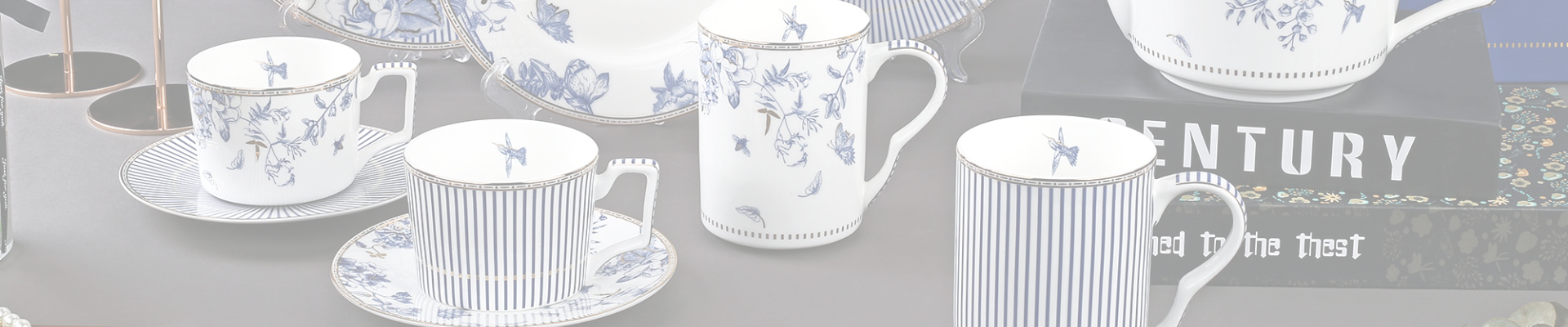
Մակրոալիքային վառարանում օգտագործելու համար անվտանգ պորսելենի ճաշատեսակները ժամանակակից տների համար
Ինչու՞ է ժամանակակից մայրության սեղանի պատառաքաղը պետք է լինի վիճակագրական անվտանգ
Ժամանակակից պոռցելինե ճաշատեսակներ պետք է լինի վիճակագրական անվտանգ, քանի որ այսօրվա զբաղված տնտեսությունները պահանջում են հարմարավետություն՝ առանց որակի վրա վնաս հասցնելու: Բարձր ջերմաստիճանով այրման գործընթացը՝ սովորաբար 1200°C-ից բարձր՝ միավորում է հողային նյութեր, ինչպես օրինակ կաոլինը և ֆելդշպարը, խիտ, անանցանելի կառուցվածքի մեջ: Այս վիտրիֆիկացված մարմինը դիմացող է ջերմային շոկին և հավասարաչափ է տարածում վիճակագրական էներգիան, կանխելով տաք կետերի առաջացումը, որոնք կարող են վնասել սեղանի պատառաքաղը կամ առաջացնել անհավասարաչափ տաքացում: Եթե սեղանի պատառաքաղը չի համապատասխանում վիճակագրական անվտանգության պահանջներին, ապա այն չի կատարում իր հիմնական խոստումը՝ առանց դժվարության օգտագործել ամենօրյա կյանքում, ինչը ստիպում է սեփականատերերին սննդը տեղափոխել առանձին ամանների մեջ և վտանգի տակ է դնում միասնական, բազմաֆունկցիոնալ սեղանի պատառաքաղի արժեքը:
Արտադրողները սովորաբար ստուգում են ջերմային շոկի դիմացկունությունը և առանց ածխածնի գլազուրները՝ համաձայն ASTM F1383 ստանդարտների: Այն ճաշի սպասքը, որը հաջողությամբ անցնում է այս փորձարկումները, անվտանգ է տեղափոխվում սառնարանից մակրոալիքային վառարան՝ չճեղքվելով: Սակայն մետաղական զարդարանքները կամ ներկված դեկորատիվ նակարները կարող են այն անվտանգ դարձնել՝ հետևաբար սպառողները պետք է ստուգեն պիտակավորումը: Առավելագույն օգտագործման համար ժամանակակից պորցելանե ճաշի սպասքը պետք է ունենա ստույգ «Մակրոալիքային վառարանում օգտագործման համար անվտանգ» նշան, որը երաշխավորում է այն ժամանակակից սննդի բարձր սպասելիքներին համապատասխանելը՝ պահպանելով դրա էսթետիկ ամբողջականությունը:
Ժամանակակից պորցելանե ճաշի սպասքում մակրոալիքային վառարանում օգտագործման անվտանգության գիտությունը
Բարձր ջերմաստիճանում այրված պորցելան՝ ջերմային կայունություն, ոչ թափանցելիություն և դիէլեկտրիկ հատկություններ
Բարձր ջերմաստիճանում այրված պորսելանը ստացվում է կավի, պոտաշային սպաթի և սիլիցիումի օքսիդի խառնուրդը 1300°C-ից բարձր ջերմաստիճանում տաքացնելով: Այս չափազանց բարձր ջերմաստիճանը հանգեցնում է նյութի վիտրիֆիկացիայի՝ ստեղծելով խիտ, ոչ թափանցելի մարմին: Ոչ թափանցելիությունը կարևոր է մակրոալիքային վառարաններում օգտագործման անվտանգության համար. այն կանխում է խոնավության կլանումը, բացառելով ներսում գոլորշու կուտակումը և ջերմային շոկից առաջացած ճեղքերի ռիսկը: Պորսելանը նաև ցուցադրում է ցածր դիէլեկտրիկ կորուստ՝ այն չի կլանում մակրոալիքային էներգիան նշանակելի չափով: Փոխարենը՝ մակրոալիքները անցնում են ամանի միջով՝ անմիջապես տաքացնելով սնունդը և պահելով ամանը համեմատաբար սառը: Նրա ջերմային կայունությունը երաշխավորում է դիմացկունությունը կրկնվող տաքացման ցիկլերի ժամանակ: Այս հատկությունները միասին դարձնում են բարձր ջերմաստիճանում այրված պորսելանը վստահելի ընտրություն ամենօրյա օգտագործման համար մակրոալիքային վառարաններում:
Առանց կապարի և կադմիումի գլազուրներ՝ համապատասխանում են ASTM F1383 և ISO 6474 անվտանգության ստանդարտներին
Մայրցամաքային սարքերում օգտագործելու համար նախատեսված պորցելանի գլազուրը պետք է համապատասխանի խիստ անվտանգության չափանիշների: Հարգված արտադրողները օգտագործում են կապարի և կադմիումի ազատ բաղադրություններ, որոնք ստուգված են ASTM F1383 (կաթսաներից լուծելի մետաղների չափման ստանդարտ մեթոդ) և ISO 6474 (սննդի հետ շփման մեջ գտնվող կերամիկական նյութերի սպեցիֆիկացիա) ստանդարտների համաձայն: Այս ստանդարտները երաշխավորում են, որ թույլատրելի չեն որևէ թունավոր նյութերի անցումը սննդի մեջ՝ նույնիսկ մայրցամաքային տաքացման պայմաններում: Բարձր ջերմաստիճանում այրումը գլազուրը մշտապես կապում է պորցելանին, ստեղծելով հարթ, անանցանելի մակերես, որը դիմացկուն է վառվածքի և մնում է քիմիապես ակտիվ չեղած: Անկախ լաբորատորիաները ստուգում են ստանդարտներին համապատասխանությունը, ինչը սպառողներին վստահություն է տալիս ինչպես անվտանգության, այնպես էլ արդյունավետության վերաբերյալ: Սերտիֆիկացված պորցելանե սեղանի պատառաքաղի ընտրելը ապահովում է էսթետիկ գեղեցկություն և մխիթարություն:
Նախագծում նպատակասլացությամբ. Էսթետիկ և ֆունկցիոնալ համատեղելիություն ժամանակակից պորցելանե սեղանի պատառաքաղում
Ժամանակակից պորսելանե ճաշասեղանի պատառաքաղ ավելի շատ է դարձել, քան պարզապես սեղանի պատառաքաղ՝ այժմ այն հանդիսանում է տնտեսություն էսթետիկայի նախատեսված երկարություն: Համատեղված հավաքածուները հավասարակշռում են տեսողական գեղեցկությունը և ամենօրյա օգտակարությունը՝ ապահովելով, որ յուրաքանչյուր մաս իր տեղն է գրավում խոհանոցում և ճաշասեղանի սենյակում:
Համատեղված հավաքածուներ՝ բուսական մոտիվներ, մինիմալիստական գունային պալիտրաներ և նախատեսված ներքին տարածքի ինտեգրում
Ամենահաջողված սեթերը հիմնված են միասնական դիզայնի սկզբունքների վրա: Բուսական մոտիվները բերում են բնական, հոսող նախշեր, որոնք փափկեցնում են ժամանակակից ներքին տարածքների կոպիտությունը, իսկ մինիմալիստական գունային պալիտրաները՝ օրինակ՝ մատչելի սպիտակը, տաք մոխրագույնը կամ մեղմացված սաճի գույնը՝ առաջարկում են չեզոք հիմք, որը հարմարվում է փոփոխվող ներքին ձևավորմանը: Նախատեսված ներքին ինտեգրումը նշանակում է այնպիսի մակերեսների և ձևերի ընտրություն, որոնք լավ են համատեղվում արդեն առկա պահեստավորման մեբելի, սեղանի մակերեսների և պատերի գույների հետ, որպեսզի սեղանի պատառաքաղը դառնա սենյակի կառուցվածքի մաս, այլ ոչ թե առանձին առարկա: Այս համատեղելիությունը նվազեցնում է տեսանելի աղմուկը, պարզեցնում է պահպանման և միմյանց վրա դասավորելու գործընթացը և ամենօրյա ճաշերը դարձնում ավելի մտածված: Ժամանակակից տան համար այս մտածված համատեղելիությունը վերածում է պորսելանե սեղանի պատառաքաղը ինչպես ֆունկցիոնալ գործիքի, այնպես էլ դիզայնի ակտիվի, որը սեղանին ավելացնում է համեստ հպարտություն:
Ժամանակակից պորսելանե սեղանի պատառաքաղի անվտանգ օգտագործումը մակրոալիքային վառարանում
Երկարատևությունը մեծացնելու և անվտանգությունը ապահովելու համար ժամանակակից պորսելենյա սեղանի պատառաքաղի ճիշտ օգտագործումը մակրոալիքային վառարանում պահանջում է ուշադրություն դարձնել ջերմային շոկի վտանգներին, զարդանախշերին և ապրանքի իսկականությանը:
Ջերմային շոկի, մետաղական զարդարանքների և սխալ նշված «պորսելեն» նմանակումների խուսափում
- Ջերմային շոկի կանխարգելում. Խուսափեք ջերմաստիճանի հանկարծակի փոփոխություններից՝ օրինակ՝ սեղանի պատառաքաղի անմիջապես մակրոալիքային վառարանից սառը մակերեսի վրա տեղափոխելը: Աստիճանաբար սառչելը նվազեցնում է միկրոճեղքերի առաջացումը, որոնք ժամանակի ընթացքում վնասում են նյութի ամբողջականությունը: Մակրոալիքային վառարանում տաքացնելուց առաջ սեղանի պատառաքաղի նախնական տաքացումը տաք ջրով նվազեցնում է ջերմային լարվածությունը:
- Մետաղական զարդարանքներ. Ոսկե եզրերը կամ լյուստրային վերջավորումները մակրոալիքային վառարանում կարող են առաջացնել աղեղներ: Այս ձեռքով կիրառվող զարդանախշերը անհամատեղելի են մակրոալիքային ճառագայթման հետ: Եթե առարկաները պարունակում են մետաղական եզրագծեր, օգտագործեք միայն ձեռքով լվացում և ամենևին չօգտագործեք մակրոալիքային վառարանում:
- Իսկականության ստուգում. Հաստատեք համապատասխանության պիտակները՝ ստանդարտացված փորձարկումների, օրինակ՝ ASTM F1383, համաձայն: Որոշ «պորսելանի նման» այլընտրանքներ՝ օրինակ՝ ավազանային գլազուրով ցածր ջերմաստիճանում այրված կերամիկաները, չեն ունենա իսկական պորսելանի մակրոալիքային անվտանգության հատկությունները, որը այրվում է ≥1400°C-ում: Միշտ ստուգեք արտադրողի հավաստագրման կնիքները:
Հաճախադեպ տրվող հարցեր
Ինչպե՞ս կարող եմ ստուգել, որ իմ պորսելանե ճաշասեղանի պատառաքաղները մակրոալիքային անվտանգ են: Փնտրեք արտադրողների կողմից տրված պարզ պիտակավորում կամ հավաստագրում: Համոզվեք, որ այն համապատասխանում է ապրանքի անվտանգության ստանդարտներին, օրինակ՝ ASTM F1383:
Ինչու՞ են պորսելանի վրա մետաղական զարդարանքները մակրոալիքային անվտանգ չեն: Մետաղական տարրերը արտացոլում են մակրոալիքային ճառագայթումը, ինչը բերում է էլեկտրական աղեղի առաջացման, որը կարող է վնասել ինչպես մակրոալիքային վառարանը, այնպես էլ ամանը:
Ինչ է ջերմային շոկը, և ինչպե՞ս կարելի է խուսափել դրանից: Ջերմային շոկը տեղի է ունենում, երբ տեղի է ունենում հանկարծակի ջերմաստիճանի փոփոխություն: Դրանից կարելի է խուսափել՝ թույլ տալով ամաններին աստիճանաբար հարմարվել ջերմաստիճանի ծայրահեղ արժեքներին և խուսափելով օրինակ՝ տաք ամանները դնել սառը մակերեսի վրա:
Արդյո՞ք բոլոր պորսելանե ամանները մակրոալիքային անվտանգ են: Ոչ, միայն որոշ տեսակի բարձր ջերմաստիճանում այրված, ոչ թափանցելի պորցելանն է մակրոալիքային վառարանում օգտագործման համար անվտանգ։ Միշտ ստուգեք՝ արդյոք վրան նշված է «մակրոալիքային վառարանում օգտագործման համար անվտանգ» պիտակը։
Ի՞նչ ստանդարտների համապատասխանություն պետք է փնտրեմ մակրոալիքային վառարանում օգտագործման համար անվտանգ պորցելանե սեղանի պարագաներ գնելիս։ Փնտրեք այնպիսի անվտանգության ստանդարտների համապատասխանություն, ինչպիսիք են ASTM F1383-ը և ISO 6474-ը, որոնք հաստատում են արտադրանքի ջերմային շոկի նկատմամբ դիմացկունությունը և թանկարժեք մետաղների, ինչպես օրինակ՝ կապարի կամ կադմիումի, բացակայությունը։