
 EN
EN
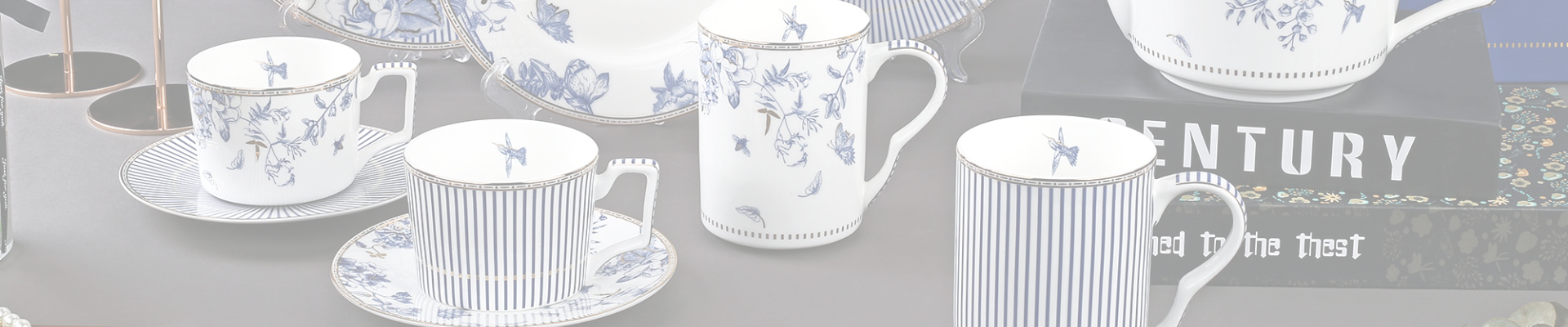
도자기 머그잔을 전자레인지에 사용해도 괜찮나요?
고급 세라믹 머그잔과 전자레인지 안전성의 과학적 원리
왜 고온 소성된 고급 세라믹은 본래 전자레인지와 호환되는가
고온에서 소성된 고급 도자기는 유리화 과정을 통해 전자레인지 사용 안전성을 확보한다. 이 과정에서는 점토 입자가 1200°C를 넘는 고온에서 밀도 높은 유리질 매트릭스로 융합되며, 기공을 완전히 제거하여 수분 흡수를 방지함으로써 증기 폭발 위험을 없앤다. 이로 인해 형성된 비공극 구조는 균일한 열팽창 특성을 가지므로 급격한 온도 변화에도 균열에 매우 강하다. 석기나 토기와 달리 유리화된 도자기는 잔류 수분 분자를 전혀 포함하지 않아 전자레인지 에너지에 대해 관성 상태를 유지한다. 또한 높은 밀도는 열을 고르게 분산시켜 핫스팟 발생, 음료의 과열, 그리고 구조적 응력 감소에도 기여한다.
유약 화학 조성과 소성 온도가 안전성에 미치는 영향
머그잔의 유약 조성이 전자레인지 사용 안전성에 미치는 영향은 두 가지 측면에서 결정적이다:
- 원소의 안정성 금속 산화물(예: 납, 카드뮴)이 포함되지 않은 유약은 아크 현상—즉, 전자레인지의 마이크로파가 전도성 물질과 상호작용할 때 발생하는 위험한 전기 방전—을 방지합니다.
- 열 통합 1200°C 이상에서 소성된 유약은 도자기 본체와 분자 수준에서 결합하여 균열(크레이징) 및 화학적 침출에 저항하는 이음매 없고 비공극성인 표면을 형성합니다.
불완전 소성된 유약(1100°C 미만)은 미세한 기공과 화학적으로 불안정한 화합물을 그대로 유지하므로 열 충격에 대한 취약성이 증가합니다. 신뢰할 수 있는 제조사들은 ISO 6486-2:2023에 따라 제3자 시험을 통해 안전성을 검증하지만, 가마 온도의 불일치나 금속계 안료(프리미엄 제품이라 하더라도)는 성능을 저해할 수 있습니다.
섬세함이 포슬린 머그 전자레인지에서 위험해질 때
금속 장식—아크 현상의 위험 요소인 금, 은 및 산화 처리된 테두리
장식용 금속 요소(금박, 은도금, 산화 마감 등)는 전자레인지 사용 시 심각한 위험을 초래합니다. 이러한 도전성 재료는 전자기 에너지를 집중시켜 아크 현상(가시적인 불꽃)을 유발하며, 이로 인해 가전제품 내부가 손상되거나 화재가 발생할 수 있습니다. 특수 유약에 포함된 미세한 금속 입자조차도 이러한 반응을 유발하기에 충분합니다. 일반 도자기와 달리, 이러한 장식 요소는 국부적 과열을 일으켜 유약이 갈라지거나 구조적 강도가 약화될 수 있습니다. 전자레인지 사용 전에는 반드시 금속 장식 여부를 점검하십시오.
구조적 결함: 유리화 균열(크레이징), 미세 균열, 열 충격 취약성
기존 손상은 파손 위험을 현저히 증가시킵니다. 크레이징(crazing)—미세하고 거미줄처럼 생긴 표면 균열—과 헤어라인 균열(hairline fractures)은 주변 습기를 흡수합니다. 전자레인지 가열 시 이 흡수된 수분이 증기로 변하면서 내부 압력을 발생시킵니다. 연구에 따르면 미세 균열이 있는 머그잔은 열 순환 과정에서 산산조각 날 가능성이 균열이 없는 제품보다 7배 높습니다. 손상된 부위와 무결한 부위 간 열 분포 불균형으로 인해 팽창률 차이가 발생하고, 이는 응력 균열(stress fractures)을 유발하며, 종종 가열 시작 후 30초 이내에 치명적인 파손으로 이어집니다.
고급 도자기 머그잔의 전자레인지 사용 안전성 확인 방법
신뢰할 수 있는 30초 물 테스트—그리고 이를 생략해야 할 경우
고급 도자기 머그잔을 물로 반쯤 채운 후, 전자레인지에서 고출력으로 30초간 가열합니다. 물은 뜨거워지는데 머그잔은 손으로 만졌을 때 차가운 상태를 유지한다면, 이는 일반적으로 전자레인지 사용에 안전한 것으로 간주됩니다. 반면, 머그잔이 따뜻해지거나 균열, 변색, 변형 등의 징후를 보인다면 즉시 사용을 중단하십시오. 이 테스트는 열을 흡수하는 불순물이나 열 충격 위험을 증가시키는 결함 있는 유약을 식별하는 데 도움을 줍니다. 이 테스트는 아예 생략하십시오 머그잔에 금속 장식(금색, 은색 또는 산화 마감 처리)이 있거나, 크레이징(crazing)이나 깨짐 등 눈에 보이는 손상이 있는 경우, 전자레인지 사용 시 즉각적인 아크 발생 또는 파손 위험이 있으므로 이 테스트를 생략하십시오.
제조사 라벨, 인증서 및 유약별 기술 문서 확인
머그잔의 바닥이나 원래 포장재에 명시된 '전자레인지 사용 가능' 라벨을 확인하세요. 신뢰할 수 있는 제조사는 ISO 6486-2:2023 기준에 따라 고급 도자기 제품을 검사하며, 납 및 카드뮴이 불검출된 유약을 1200°C 이상에서 소성했다는 문서를 제공합니다. 빈티지 제품, 중고품 또는 수공예 품목처럼 라벨이 부재한 경우, 제조사 웹사이트에서 물질 안전 보건 자료(MSDS)를 확인하거나 유약 사양에 대해 직접 문의하세요. 맞춤 제작 또는 소량 생산 도자기의 경우, 소성 온도 및 원소 조성에 대한 서면 확인서를 요청하세요. 모든 경우에 시각적 점검보다는 검증된 문서가 더 높은 신뢰도를 가집니다.
자주 묻는 질문
모든 고급 도자기 머그잔을 전자레인지에서 사용할 수 있나요?
아니요, 모든 고급 도자기 머그잔이 전자레인지 사용에 적합한 것은 아닙니다. 금속 장식이 포함된 제품이나 크레이징(crazing) 등 구조적 결함이 있는 제품은 위험을 초래할 수 있습니다.
어떤 안전 테스트를 수행할 수 있습니까? 집 전자레인지 호환성 검사를 위해
30초 물 테스트는 간단한 점검 방법이지만, 금속 장식이 있는 머그잔이나 눈에 보이는 손상이 있는 경우 이 테스트는 피해야 합니다.
왜 금속 장식은 전자레인지 사용 시 위험합니까?
금속 성분은 전자기 에너지를 집중시켜 아크 현상, 과열 및 구조적 손상을 유발합니다.
고급 도자기 머그잔에서 어떤 인증을 확인해야 합니까?
ISO 6486-2:2023 적합성 인증 및 납·카드뮴 불함 유약(1200°C 이상에서 소성 처리됨)에 대한 문서를 확인하세요.
크레이징(crazing)은 전자레인지 사용 시 유해합니까?
네, 크레이징은 수분을 흡수하여 전자레인지 가열 시 증기 폭발 및 파손을 일으킬 수 있습니다.