
 EN
EN
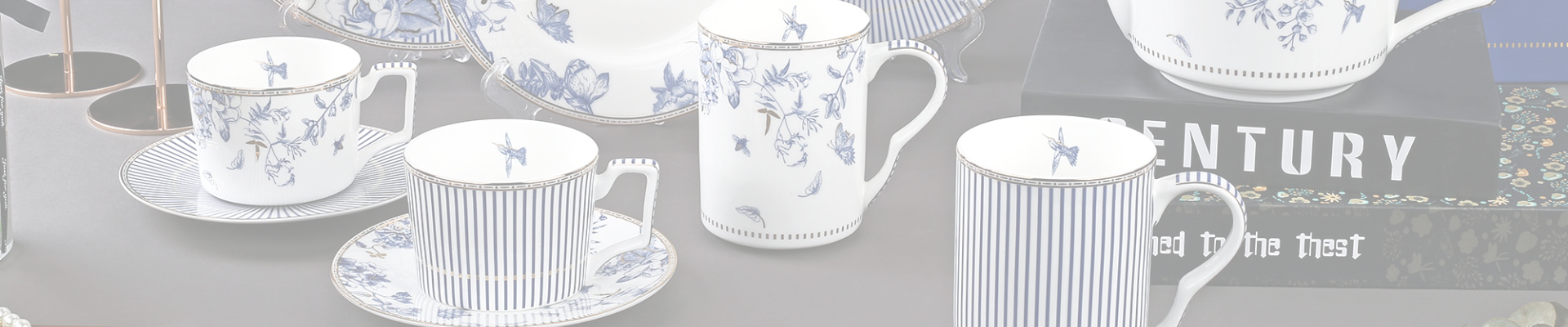
Luxury Porcelain Dinnerware for Fine Dining
The Science and Sensibility of Luxury Porcelain Dinnerware
How Translucence, Density, and Thermal Retention Elevate Culinary Presentation
Luxury porcelain dinnerware earns its distinction through three interrelated material properties: translucence, density, and thermal retention. Translucence—the soft, luminous glow visible when a plate is held to light—signals exceptional purity and firing at temperatures exceeding 1300°C. This optical refinement enhances food’s visual impact, making colors appear richer and compositions more vivid. Density delivers a satisfying, substantial weight that conveys permanence and quality without compromising service ease. That mass also improves thermal retention: preheated luxury porcelain plates hold warmth significantly longer than standard ceramic or stoneware, keeping entrees at optimal serving temperature throughout the course. Together, these traits shape a cohesive sensory experience—tactile, visual, and functional—that no other tableware material replicates. For fine-dining chefs, selecting porcelain that balances refined thinness with structural integrity is a deliberate design decision, directly influencing how a dish is perceived from first glance to final bite.
The Psychological Impact: Why Luxury Porcelain Dinnerware Shapes Diner Perception and Enjoyment
Beyond physical attributes, luxury porcelain leverages well-documented psychological cues to elevate perception and enjoyment. Its inherent weight subconsciously signals value and craftsmanship, prompting diners to associate the meal with higher quality—even before tasting begins. A gently warm rim, sustained by thermal retention, reinforces impressions of freshness and meticulous preparation. Peer-reviewed studies have shown that tableware weight and texture can measurably influence taste perception: foods served on heavier plates are consistently rated as more satisfying and flavorful. Translucence further deepens engagement—the ethereal glow invites closer inspection, extending attention and appreciation for plating detail. In high-end restaurants, where every element contributes to narrative control, luxury porcelain becomes an essential instrument in orchestrating an experience that feels intentional, exclusive, and memorable—encouraging guests to linger, savor, and return.
Leading Luxury Porcelain Dinnerware Brands and Their Design Philosophies
Heritage Mastery: Bernardaud, Royal Copenhagen, and Limoges Artisans
The legacy of luxury porcelain rests on centuries of technical mastery and regional rigor. Bernardaud, founded in Limoges in 1863, transforms premium kaolin into exceptionally translucent, chip-resistant porcelain—used by Michelin-starred kitchens and royal households alike. Its design ethos balances ornate gilding with minimalist white canvases, ensuring food remains the focal point. Royal Copenhagen, established in 1775, is defined by its hand-painted blue fluted pattern, applied underglaze and fired three times to achieve enduring depth and precision—a reflection of Danish hygge and artisanal discipline. Crucially, only porcelain containing at least 30% kaolin—and manufactured in the Limoges region—may legally bear the “Limoges” designation. This regulatory standard guarantees both thermal performance and structural integrity, enabling consistent warmth retention and elegant heft across service. For professional kitchens, choosing heritage brands affirms commitment to proven artistry, reliability, and time-tested functionality.
Cross-Disciplinary Elegance: Hermès, Versace Home, and Fashion-Infused Tableware
Fashion houses bring editorial vision and cultural resonance to luxury porcelain, transforming tableware into expressive extensions of brand identity. Hermès crafts its “Balcon du Guadalquivir” collection in Limoges but designs it in Paris—translating silk scarf motifs into watercolor-inspired porcelain plates that merge equestrian heritage with contemporary grace. Versace Home channels baroque opulence through signature Medusa emblems, Greek-key borders, and 24-karat gold accents—pieces designed to command attention during celebratory courses or tasting menus where visual drama amplifies narrative intent. These collaborations don’t sacrifice function for flair: each collection maintains rigorous standards for durability, thermal behavior, and food-safe glazing. Restaurants adopting fashion-infused porcelain signal creative confidence—using the plate not just as vessel, but as co-author in the dining story. Such pieces often gain collectible status, reinforcing their cultural and monetary cachet among discerning professionals and private collectors alike.
Selecting and Sustaining Luxury Porcelain Dinnerware for Professional and Private Fine Dining
Matching Rim Profile, Weight, and Glaze Finish to Service Style and Cuisine Type
Physical specifications should align with service philosophy and culinary intent. Wide, flat rims provide clean architecture for composed main courses—especially where sauce placement and garnish layering matter—while narrow or rimless profiles suit minimalist, deconstructed presentations common in modern tasting menus. Weight serves functional and perceptual roles: heavier plates offer stability for robust dishes and reinforce premium associations, whereas lighter pieces enhance delicacy in seafood or dessert service. Glaze finish completes the sensory equation—high-gloss surfaces reflect ambient light and complement sleek, contemporary interiors; matte or textured glazes introduce tactile contrast and harmonize with rustic or earth-driven plating. Thoughtful alignment of these elements with cuisine style—be it formal French service, Italian conviviality, or Japanese minimalism—strengthens visual coherence and supports seamless execution. For versatile everyday use, medium-weight porcelain with a subtle, low-profile rim offers balanced performance across course types.
Investment Longevity: Care Protocols, Heirloom Potential, and Resale Value Trends
Luxury porcelain is built to endure—but longevity depends on informed care. Hand washing with mild detergent preserves delicate gilding and glaze integrity, though many modern pieces (including select Bernardaud and Royal Copenhagen lines) are dishwasher-safe when securely placed and protected from clattering. Avoid thermal shock: never transfer cold porcelain directly into hot ovens or steamers, nor place scorching cookware onto cool plates. Store stacked pieces with felt or cloth padding between them to prevent micro-scratches. These simple habits safeguard both aesthetic fidelity and structural soundness, supporting true heirloom potential. Market data from auction houses like Sotheby’s and Christie’s shows that limited-edition or discontinued patterns from heritage manufacturers often appreciate over time—particularly those with documented provenance or designer collaborations. By prioritizing craftsmanship and consistency in maintenance, owners protect not only daily utility but also long-term asset value—making luxury porcelain a rare fusion of functional elegance and tangible investment.
FAQs
Q: What distinguishes luxury porcelain dinnerware from standard ceramics?
A: Luxury porcelain boasts translucence, higher density, and enhanced thermal retention, creating a refined sensory experience and preserving optimal food presentation better than standard ceramics.
Q: What are the leading brands in luxury porcelain dinnerware?
A: Top brands include Bernardaud, Royal Copenhagen, and Limoges Artisans for heritage mastery, as well as Hermès and Versace Home for fashion-infused design.
Q: How do I maintain luxury porcelain dinnerware?
A: Care includes hand washing with mild detergent, avoiding thermal shock, and padding stacked pieces to prevent scratches.
Q: Are luxury porcelain pieces a good investment?
A: Yes, many pieces retain or appreciate in value over time, particularly limited-edition patterns or designer collaborations from heritage manufacturers.