
 EN
EN
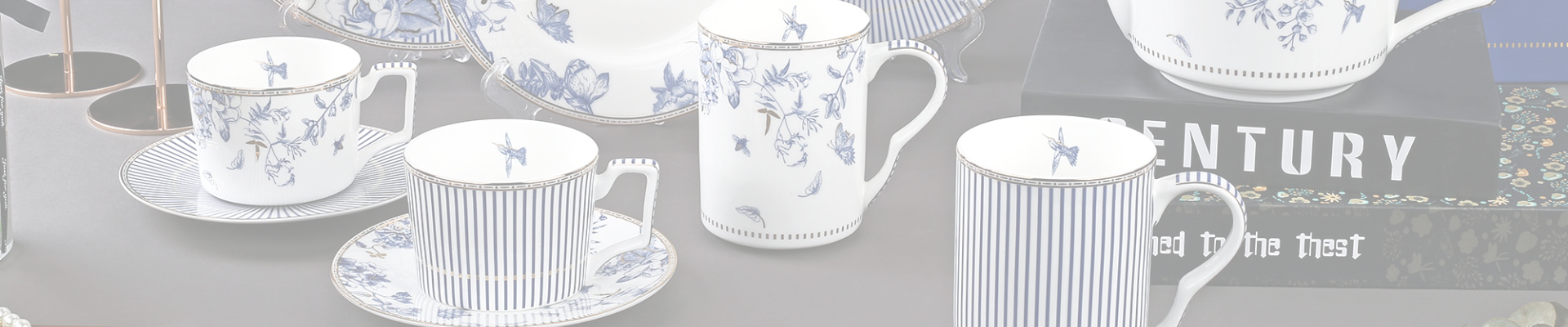
Najlepsze talerze obiadowe z porcelany do formalnych posiłków
Dlaczego zestawy talierków obiadowych z porcelany wyróżniają się w formalnych obiadach
Przezroczystość, cienkość i odporność na przebarwienia: cechy charakterystyczne premium porcelany
Premium zestawy talierków obiadowych z porcelany przeważają w formalnych obiadach dzięki trzem kluczowym zaletom materiałowym. Ich charakterystyczna przejrzystość —widoczna przy podświetleniu—stwarza eteryczną elegancję, której nie dorównują żadne talerze z kamionki ani ceramiki glinianej. Wysokogęsta masa porcelanowa pozwala na osiągnięcie wyjątkowej cienkość (często poniżej 3 mm), nie pogarszając przy tym wytrzymałości, co umożliwia eleganckie układanie jedno na drugim oraz wyrafinowaną prezentację podczas wieloetapowych posiłków. Kluczowe znaczenie ma proces szkliwienia (witrifikacji) w temperaturze przekraczającej 1400 °C, który na poziomie mikroskopowym uszczelnia powierzchnię, zapewniając naturalną odporność na przebarwienia —decydująca przewaga przy serwowaniu redukcji czerwonego wina, sosów z jagód lub sosów z kurkumy. Ta trójka właściwości zapewnia trwałą integralność wizualną i odporność funkcjonalną; dobrze utrzymywane zestawy premium zwykle służą od 12 do 15 lat w warunkach profesjonalnych.
Porcelana vs. porcelana kośćciana vs. ceramika kamienna: wybór odpowiedniego materiału do eleganckiego serwowania
Wybór materiału bezpośrednio wpływa zarówno na wrażenie estetyczne, jak i na wydajność operacyjną w serwowaniu formalnym. Kluczowe różnice obejmują:
| Nieruchomości | Porcelana | Kościany porcelan | Stoneware |
|---|---|---|---|
| Skład | Kaolin + skalen | ~50% popiołu kostnego + glina | Gęsta, nieszkliwiona glina |
| Przejrzystość | Wysoki | Najwyższą | Brak |
| Stosunek masy do wytrzymałości | Doskonały (gęsty, ale lekki) | Delikatny; podatny na skaleczenia | Ciężki i trwały, ale wizualnie ciężkostrukturalny |
| Odporność na plamy | Wysokiej jakości (w pełni szkliwione) | Średnie (bardziej porowate szkliwo) | Niskie (szkliwo może wchłaniać plamy z czasem) |
| Zastosowanie formalne | Idealne do pełnych usług gastronomicznych z wieloetapowymi posiłkami | Najlepiej nadaje się do serwowania deserów lub herbaty | Dostosowane do nieformalnego serwisu lub stylu bistro |
Porcelana zapewnia optymalny kompromis: jej wyrafinowanie — widoczne w półprzezroczystości i smukłych kształtach — łączy się bezproblemowo z praktyczną wytrzymałością, stabilnością termiczną oraz łatwością czyszczenia. W przeciwieństwie do kruchości porcelany kościanej podczas intensywnego serwowania lub wizualnej ciężkości i wymagań konserwacyjnych kamionki, porcelana wspiera zarówno artystyczne podejście kulinarne, jak i efektywność obsługi gości — stając się standardem w kuchniach z gwiazdkami Michelin oraz luksusowych obiektach hotelarskich.
Pięć najlepszych, starannie dobranych zestawów talerzy obiadowych z porcelany na okazje formalne
Kolekcja Dansk Gourmet: minimalistyczny model coupe z akcentem platynowym
Ten zestaw porcelanowy wypalany w wysokiej temperaturze charakteryzuje się czystą sylwetką typu coupe — płaskim dnem z delikatnie zakrzywionymi brzegami i bez wzniesionej krawędzi — zaprojektowaną jako neutralna powierzchnia do nowoczesnego serwowania dań. Subtelna paska platynowa dodaje umiarkowanej luksusowości, nie odciągając uwagi od potraw. Średnica 10,5 cala pozwala na prezentację skomplikowanych kompozycji kulinarnych, zachowując przy tym generozne przestrzenie puste. Odporność na wstrząsy termiczne oraz odporność na skaleczenia czynią ten zestaw idealnym wyborem do intensywnego, wieloetapowego serwowania.
Zestaw talerzy obiadowych Le Creuset Signature z porcelany: eleganckie talerze z obrzeżem do prezentacji sosów
Talerze porcelanowe z obrzeżami firmy Le Creuset łączą precyzję konstrukcyjną z funkcjonalną inteligencją. Podwyższone obrzeże zawiera sosy i polewy, nie zakłócając przy tym przejrzystości wrażenia wizualnego, podczas gdy całkowicie szkliwiona powierzchnia odporność na ślady po naczyniach stołowych oraz uporczywe barwniki, takie jak czerwone wino czy burak. O średnicy 10,25 cala zapewniają zrównoważone porcjonowanie i wyraźny kontrast kolorów względem matowej białej powłoki – co podkreśla żywość potraw i ułatwia uzyskanie spójności przy dekorowaniu dań.
Kolekcja Villeroy & Boch Mettlach: rzemiosło dziedziczne spotyka się z współczesną formalnością
Opierając się na stuletnim doświadczeniu niemieckich specjalistów od ceramiki, ten zestaw porcelany poddawany trzykrotnemu wypalaniu charakteryzuje się głębokim profilem miseczek (głębokość 1,5 cala), zoptymalizowanym do dań saucowych, ryżowych lub zup. Dokładna proporcja grubości do masy wynosząca 0,3 cm zapewnia stabilność i wrażenie delikatnej, wysokiej jakości wykonawczości, podczas gdy motywy dekoracyjne zespolone w piecu pozostają nietknięte pod warstwą emalii – gwarantując, że estetyka dziedziczna przetrwa codzienne użytkowanie.
Logika projektowania: dopasowanie kształtu talerza i jego sylwetki do formalnego przepływu serwowania
Talerze typu coupe, z obrzeżem oraz głębokie talerze — role funkcjonalne w ramach wieloetapowych menu
Geometria talerza nie ma charakteru wyłącznie dekoracyjnego – pełni funkcję choreograficzną. Talerze typu coupe, o gładkich, bezbrzeżnych konturach, wspierają delikatne techniki sosowania i minimalizują zakłócenia pochodzące od przyborów stołowych podczas usuwania naczyń – są więc idealne do podawania komponowanych przekąsek lub smażonych białek z sosami emulsyjnymi. Talerze z obrzeżem zapewniają kontrolowane zawieranie potraw w przypadku złożonych dań głównych, zachowując integralność sosów (np. jusów) oraz przejrzystość kompozycji mimo obecności wielu dodatków. Głębsze wersje talerzy utrzymują temperaturę i zapewniają strukturę warstwowym teksturom, co czyni je niezastąpionymi przy serwowaniu zup, dań duszonych lub potraw zbożowych. Łącznie te różnice w sylwetkach umożliwiają płynne przejścia między etapami posiłku, stałą retencję temperatury oraz skuteczną izolację smaków – co jest kluczowe przy realizacji menu degustacyjnych, gdzie zanieczyszczenie krzyżowe lub spadek temperatury może pogorszyć doświadczenie gościa.
Jak zidentyfikować prawdziwy zestaw porcelanowych talerzy obiadowych premium
Stosunek masy do grubości, jednolitość glazury oraz integralność krawędzi jako wskaźniki jakości
Autentyczna porcelana premium ujawnia się poprzez trzy obserwowalne cechy. Po pierwsze, stosunek wagi do grubości : powinna wywierać wrażenie solidności, ale jednocześnie elegancji — wystarczająco gęsta, aby przekazywać wrażenie wysokiej jakości, ale zarazem na tyle lekka, aby odzwierciedlać precyzyjną pracę rzemieślnika. Wynika to z użycia wysokiej czystości kaolinu, wypalanego w temperaturze przekraczającej 1400 °C, co zapewnia pełną szkliwienie bez konieczności dodawania nadmiernego materiału. Po drugie, jednolitość glazury : przy oglądaniu pod kątem światła powierzchnia musi być doskonale gładka, pozbawiona pęcherzyków i równomiernie lśniąca — bez zamglenia, otworów igłowych ani zmian struktury. Po trzecie, integralność krawędzi : brzegi powinny być dokładnie zaokrąglone i wzmocnione, bez ostrości ani zbytniego przetoniaczenia, które mogłoby prowadzić do skruszenia podczas układania w stos lub serwowania.
Zgodnie z potwierdzeniem Ceramic Arts Network, prawidłowo wypalona porcelana wytrzymuje wielokrotne cykle w komercyjnych zmywarkach, zachowując połysk i integralność strukturalną. Zweryfikowana jakość wykonania przekłada się na długowieczność: wysokiej klasy zestawy średnio służą przez 12–15 lat użytkowania codziennego, w porównaniu do mniej niż trzech lat dla alternatyw niższej klasy – co zmniejsza częstotliwość wymiany nawet o 80%. Aby zweryfikować autentyczność:
- Przytrzymaj talerz przed światłem dziennym: prawdziwa porcelana wykazuje miękką, jednolitą prześwieczalność.
- Lekko stuknij w krawędź: czysty, długotrwały dźwięk sygnalizuje pełną wypalenie (witrifikację).
- Sprawdź twardość powierzchni, delikatnie naciskając ją stalowym przyrządem kuchennym: nie powinno być widocznych zadrapań.
Najczęściej zadawane pytania
Dlaczego porcelanę preferuje się w formalnym serwowaniu?
Prześwieczalność, cienkość oraz odporność na plamy nadają porcelanie eleganckiego wyglądu i funkcjonalnej wytrzymałości, czyniąc ją idealnym wyborem na wieloetapowe posiłki w formalnych uroczystościach.
W czym porcelana różni się od kościennego porcelanu i kamionki?
Porcelana łączy prześwit, wytrzymałość i odporność na przebarwienia, podczas gdy kość porcelanowa jest bardziej delikatna i podatna na skruszanie, a ceramika kamienna jest cięższa, mniej wykończona i bardziej podatna na przebarwienia.
Jakie cechy definiują prawdziwy zestaw premium z porcelany?
Zestawy premium z porcelany charakteryzują się doskonałą proporcją masy do grubości, bezbłędną jednolitością emalii oraz wzmocnioną integralnością krawędzi, zapobiegającą skruszeniom i zapewniającą długotrwałość.
Jak długo trwają premium talerze obiadowe z porcelany?
Przy odpowiedniej pielęgnacji zestawy premium z porcelany mogą służyć od 12 do 15 lat, co czyni je bardzo opłacalnym wyborem w porównaniu z tańszymi alternatywami o krótszym okresie użytkowania.
Jakie są najlepsze zestawy talerzy obiadowych z porcelany do okazji uroczystych?
Wśród najbardziej polecanych znajdują się kolekcja Dansk Gourmet, zestaw talerzy obiadowych z porcelany Le Creuset Signature oraz kolekcja Villeroy & Boch Mettlach, znane z funkcjonalności i rzemiosła.