
 EN
EN
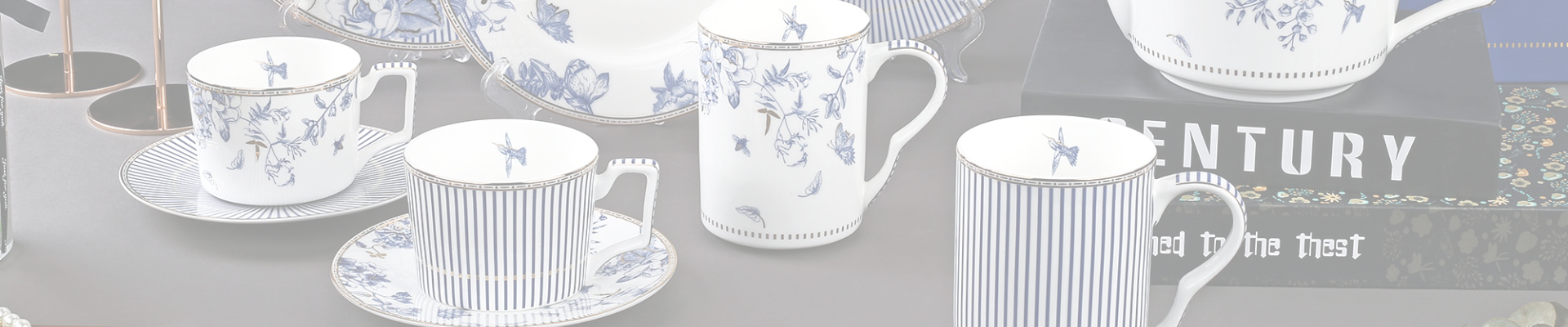
Best Porcelain China Dinnerware for Special Occasions
Why Chinese Porcelain Dinnerware Is the Gold Standard for Special Occasions
Centuries-Old Craftsmanship and Cultural Prestige Behind Chinese Porcelain
Porcelain started back around 2000 years ago in ancient China during those Han and Tang Dynasty times. What began as just regular pottery gradually became something much more special, representing true artistry at its finest. The craftsmen worked with this special kaolin clay and learned how to fire their creations at extremely hot temperatures between 1200 and 1400 degrees Celsius. These techniques produced items known for their beautiful glow, surprising durability, and even a certain musical quality when tapped. The royal families really pushed the boundaries of this craft, ordering custom designs with cobalt blue flowers such as peonies which stood for wealth and birds like cranes symbolizing long life. Each piece carried layers of meaning beyond mere decoration. We still see this tradition alive today in luxury table settings. When people serve fine porcelain at important events, they're not just serving food but continuing a centuries old tradition that blends history with artistic expression on the dining table.
Superior Thermal Stability, Chip Resistance, and Luminous Glaze for Formal Entertaining
Chinese porcelain really stands out at fancy dinners because of how it's made to handle tough situations. The stuff doesn't crack when someone moves those steaming hot dishes straight from the oven to the table, which happens all the time at big events. Made with this special clay called kaolin, it just doesn't break like regular ceramic plates do. And the glaze? It looks almost glass-like but still fights off those stubborn stains from dark gravies and red wine spills that ruin other dinnerware. Most people find that these plates stay looking brand new even after years of being used for important family gatherings and holiday feasts. Some families pass down their best porcelain sets for generations, treating them almost like family treasures meant specifically for special occasions rather than everyday meals.
Chinese Porcelain vs. Bone China: Key Differences in Origin, Composition, and Occasion Suitability
Kaolin-Rich Chinese Porcelain: Hard-Paste Heritage vs. Bone Ash–Infused Western Variants
Chinese porcelain stands out because it's made from pure kaolin clay and fired at extremely high temperatures over 1300 degrees Celsius. This creates a dense, hard surface that resists chips and has that signature brilliant white color. Bone china came along later in 18th century England when potters wanted something easier to work with. They started mixing in about 30 to 50 percent burned cow bones which gave the clay better flexibility. Though both types represent top quality ceramics, they come from very different places. Porcelain reflects ancient Chinese traditions dating back to the Tang dynasty with its emphasis on mineral purity and royal associations. Bone china focuses more on being workable and refined so manufacturers could produce large quantities efficiently for growing markets.
Translucency, Weight, and Firing Temperature: Practical Implications for Banquet Service
When fired at higher temperatures, porcelain develops more thermal mass which means it holds onto heat about 40 percent longer compared to bone china. That makes it great for those fancy dinner events where guests need their soups and roasts staying warm through all the toasting and speeches. Bone china tells a different story though. Since it gets fired at lower temps, manufacturers can make plates and bowls with thinner walls that look almost see-through. The whole set ends up roughly 20% lighter on average, so servers aren't carrying around bricks when they're delivering courses across multiple tables during long evening affairs. Choosing between them really comes down to what kind of event we're talking about. Porcelain feels heavier in hand and carries that sense of something meant to last generations. Bone china? More like fine jewelry for tableware that looks amazing but won't weigh down anyone's arms after several trips back and forth.
Luxury Design Signatures in Premium Chinese Porcelain Dinnerware
Hand-Painted Motifs, Cobalt Blue Underglaze, and Gold/Platinum Rim Accents
What sets luxury Chinese porcelain apart is its unique design language that comes straight from centuries of imperial workshops. Skilled artists paint symbols that carry meaning - peonies represent wealth while cranes stand for long life - using brushwork techniques families have kept secret for generations. The famous blue color comes from special underglaze mixed right below the clear surface layer, fired at temperatures exceeding 1300 degrees Celsius so it won't fade even after years of use. Gold or platinum touches make these pieces feel extra special. Craftsmen apply liquid gold to edges then fire them again until they shine brightly against the white porcelain background. Simple borders help highlight the intricate center patterns without overwhelming them. All these details turn everyday items into something worth passing down through families for decades. They're not just beautiful objects but also powerful reminders of China's artistic heritage.
Styling Authentic Chinese Porcelain for Elegant Occasions: Tradition-Inspired Presentation
Harmonizing Color Palettes, Charger Layers, and Symbolic Motifs (e.g., Peony, Cranes)
Formal tables get a real upgrade when we pair traditional cobalt blue and white Chinese porcelain with gold-edged chargers and soft ivory linens. This combination brings together old world beauty with modern style. When setting things up, think about what each piece represents. Place those pretty peony patterned dinner plates next to serving platters decorated with cranes for good luck and long life throughout the table arrangement. Neutral colored chargers work best as background pieces that let the detailed hand painting stand out without getting lost. Stick to just one or maybe two accent colors taken straight from the porcelain itself, like celadon green or iron red. This keeps everything looking harmonious and respectful of the original designs that have been passed down through generations.
FAQs
What makes Chinese porcelain different from regular ceramic dinnerware?
Chinese porcelain is crafted using high-quality kaolin clay and is fired at extremely high temperatures, which gives it superior durability, chip resistance, and a luminous glaze. It is known for its thermal stability and distinctive glow that other ceramics cannot match.
Why is Chinese porcelain considered better for special occasions?
Owing to its historic prestige and beautiful craftsmanship that dates back centuries, Chinese porcelain exudes elegance and cultural richness, making it ideal for formal settings and special occasions.
How do Chinese porcelain and bone china differ?
Chinese porcelain is made from pure kaolin clay and is extremely hard and dense, whereas bone china, developed in England, includes bone ash, which makes it thinner and more translucent. They originate from different traditions and have different uses depending on the setting.