
 EN
EN
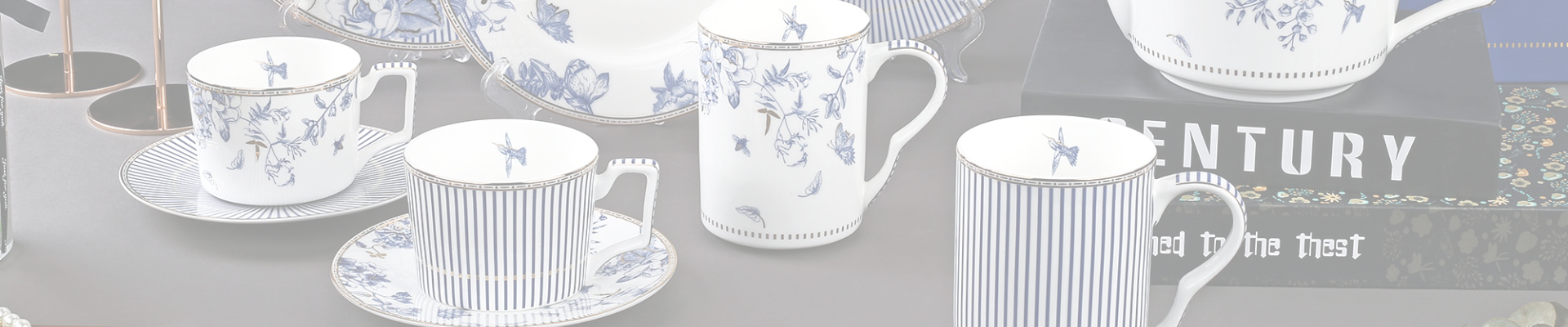
Colorful Porcelain Dinnerware for Vibrant Tables
Why Colorful Porcelain Dinnerware Transforms Food Presentation
The visual power of color-glazed porcelain in highlighting texture, contrast, and plating artistry
The colors in porcelain dinnerware actually play tricks on how light bounces off food, making dishes look more appealing. Bright glazes really bring out the contrast between foods. For instance, dark blue plates can make slices of orange fruit glow almost like lanterns, whereas green tones seem to make those golden edges on roasted carrots stand out even more. Teal plates with a matte finish somehow make people notice tiny cracks in crusty bread, while shiny red ones give berry sauces this thick, syrupy appearance. White porcelain just reflects everything equally, but colored plates cast subtle shadows that help show depth in food arrangements. These color choices guide our eyes toward different textures and shapes, which makes flavors seem stronger according to some recent studies. One paper from the Journal of Sensory Studies back in 2023 found that diners actually perceive about 20% more flavor intensity when served on these specially colored ceramics.
Design flexibility: from bold matte hues to reactive glazes that shift with firing—enabling true customization
The latest methods for firing porcelain give artists amazing control over colors, turning ordinary plates into something almost artistic. When using matte finish minerals, we get these rich, soft colors that really soak up light - think of those warm burnt ochres or dark eggplants that create stunning backgrounds for simple food presentations. What happens during the firing process is pretty fascinating too. The reactive glazes actually change at a molecular level inside the kiln, creating all sorts of interesting crystal patterns. Cobalt tends to turn into beautiful indigo veins while copper creates those shimmering metallic effects. Restaurants love this because they can match specific colors to their brand identity or even seasonal themes. A recent survey from Ceramic Tech Review found that around three quarters of chefs want custom glaze options these days. And interestingly enough, dishes presented on these special reactive surfaces seem to command about 30% higher value just based on how visually appealing they look.
The Science and Psychology Behind Colorful Porcelain Dinnerware
The interplay between plate color and dining psychology reveals how colorful porcelain dinnerware actively shapes culinary perception. Chromatic cues trigger measurable physiological and cognitive responses: red and orange tones stimulate appetite by 15%, while blue-tinged ceramics enhance perceived freshness in salads and seafood (Oxford Crossmodal Research Lab 2022).
How chromatic cues influence appetite, perceived freshness, and emotional engagement at the table
Warm-hued plates subconsciously signal energy and richness, supporting dopamine release during meals. Cool-toned porcelain fosters calm, reducing eating speed by 23% in controlled studies. Matte finishes deepen food colors by absorbing ambient light; glossy surfaces amplify contrast through strategic reflection—both serving distinct plating intentions without relying on visual clutter.
Flavor-color associations: why warm-toned porcelain enhances sweetness perception, while cool tones elevate acidity and umami
When desserts are served on amber or coral colored plates, people tend to perceive them as sweeter. This happens because these warm colors somehow activate parts of the brain responsible for tasting sweet things. Research in the field called neurogastronomy has actually shown this connection between color and taste exists. On the flip side, when food is placed on slate gray or seafoam green dishes, people notice the salty and sour flavors more in their meals. These color-taste connections are not just random coincidences. Scientists believe it has something to do with how different colors affect the way our brains process what we eat. Certain wavelengths of light seem to influence the brain's ability to detect various tastes.
Cultural Meaning and Strategic Use of Color in Porcelain Dinnerware
The colors found on porcelain dinnerware go beyond just looking good, they carry stories and meanings from different cultures throughout history. Back in imperial China, people saw cobalt blue as representing peace and high status, while those bright red glazes during the Ming period were all about wealth and success. Over in the Mediterranean region, folks really liked terracotta because it brought a warm, earthy feel to their meals together, which made sense given their farming background. Modern day hosts actually use these old traditions when setting tables nowadays. Warm shades like ochre or coral colored plates make people feel more relaxed during family dinners, whereas cooler blues tend to create a fancier atmosphere at fancy dinner parties. Some studies have shown how strong these color connections are too. A recent survey found that nearly four out of five people associate golden edges on porcelain with special occasions according to the Journal of Sensory Studies from last year. So next time someone picks out colorful porcelain for their home, there's probably more going on than meets the eye culturally speaking.
| Cultural Origin | Traditional Color Significance | Modern Strategic Use |
|---|---|---|
| Chinese | Blue = harmony; Red = luck | Lunar New Year feasts |
| Mediterranean | Terracotta = earth/community | Rustic dinner parties |
| European | Gilded accents = aristocracy | Formal anniversary dinners |
This intentional alignment of hue and heritage transforms meals into culturally resonant experiences—honoring tradition while crafting memorable, meaning-rich tablescapes.