
 EN
EN
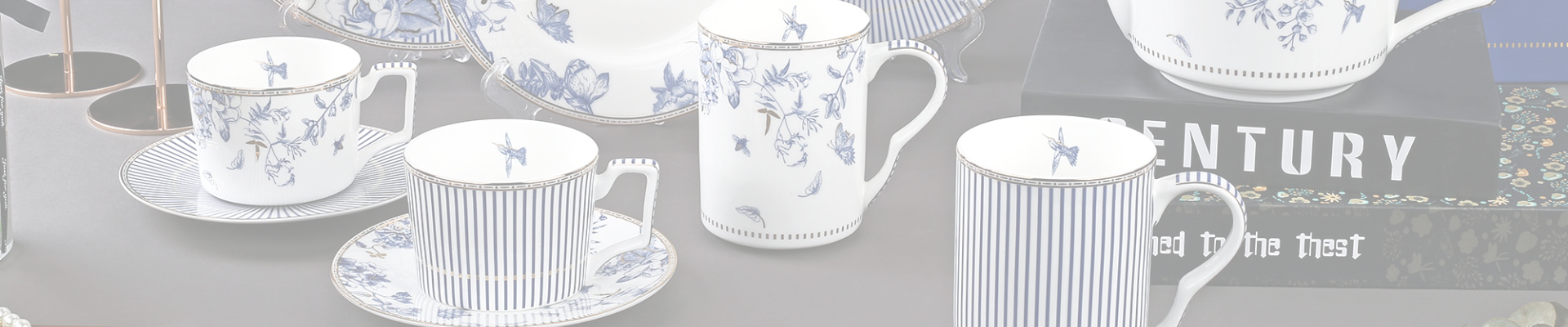
Top Porcelain Dinnerware Brands Reviewed
What Defines True Premium Porcelain Dinnerware?
Material Science Essentials: Translucency, Density, and Firing Temperature Standards
When looking at top quality porcelain dinnerware, there are actually three key signs that point to authenticity. The first thing to notice is how some light passes through genuine porcelain when you hold it up. This happens because of the fine particles in good porcelain, while cheaper stuff tends to be completely opaque. According to Ceramic Arts Network from 2023, this translucency is a telltale sign of quality. Second, really good porcelain gets fired at around 1400 degrees Celsius (that's 2552 Fahrenheit) until it becomes vitrified. This process creates dense material that doesn't absorb stains or moisture and can handle sudden temperature changes without cracking. Third, the way porcelain sounds matters too. When properly fired, porcelain will give off a clear ringing sound if tapped lightly. This indicates the right kind of crystal structure has formed during firing. All these characteristics work together to create dinnerware that stays beautiful even after years in the dishwasher, maintaining its shine and resisting those annoying cracks that develop over time with regular use.
Certifications That Matter: FDA Compliance, Lead/Cadmium-Free Verification, and Prop 65 Transparency
When looking at quality porcelain, safety goes way beyond how something looks on the table. The best porcelain items come with actual proof they're safe to use. The FDA sets strict rules about what kind of glazes can be used so harmful metals don't seep into food, which matters most around those colorful edges we all love. Third party labs actually test these products for dangerous levels of lead and cadmium before they hit store shelves. Then there's California's Prop 65 law that forces companies to disclose exactly what chemicals their products contain, helping people avoid health problems down the road. Good manufacturers will show documentation for each batch through places like NSF International. But watch out for imports that haven't gone through proper testing standards like ASTM C738 or ISO 6486. According to the Consumer Product Safety Commission from 2022, some of these untested items might have up to three times more dangerous substances than what's allowed in American made products.
Performance Benchmarking: Chip Resistance, Thermal Stability & Dishwasher Safety
True premium porcelain justifies its value through rigorous, real-world performance in chip resistance, thermal stability, and dishwasher safety—areas where independent testing reveals meaningful differences between brands, even with identical material claims.
Why Dishwasher Safety Varies Across Premium Porcelain Brands (Even with Identical Material Claims)
Dishwasher safety depends less on base composition than on glaze engineering and thermal processing. While all premium porcelain is fired at ~1400°C, variations in glaze formulation and kiln cooling rates significantly affect durability:
- Glaze-microfit: Imperfect bonding between glaze and body creates micro-cracks vulnerable to alkaline detergents and mechanical stress.
- Thermal cycling tolerance: Slower, controlled kiln cooling enhances resilience to repeated heating/cooling cycles in dishwashers.
- Surface hardness: Glazes rated above 7 Mohs on the Mohs scale better withstand cutlery abrasion and detergent erosion during washing.
Ceramics industry audits (2024) found that brands performing ASTM C368 chip testing both before and after 50+ dishwasher cycles reported 68% fewer defects than those testing only unused items—highlighting the importance of real-use validation.
Microwave, Oven, and Freezer Compatibility: Real-World Limits of High-Fired Porcelain
High-fired porcelain offers superior thermal stability—but not unlimited tolerance. Sudden temperature shifts exceeding 100°C (180°F) risk cracking, even in premium-grade pieces. For safe, long-term use:
- Microwave: Avoid partial food coverage that creates uneven heating and hotspots.
- Oven: Limit use to 260°C (500°F); never place cold plates directly into preheated ovens.
- Freezer: Ensure surfaces are completely dry before freezing to prevent ice-expansion stress on microstructures.
Porcelain with density above 2.5 g/cm³ demonstrates broader thermal range tolerance—particularly valuable for freezer-to-oven transitions. Always consult manufacturer-specific guidelines, as glaze-body interactions vary widely across formulations.
Brand Comparison: Royal Doulton, Wedgwood & Lenox for Premium Porcelain Dinnerware
Heritage, Manufacturing Consistency, and Quality Control Across Generations
The way companies have been making things over generations really explains why some old brand names last longer than others. Take the British company that's been around for almost three centuries now. They still check their products through several stages where skilled workers inspect them by hand in their original factories. Meanwhile, there's another brand from the same era that relies on robots to spot tiny flaws down to fractions of a millimeter. Over in America, one major manufacturer combines traditional finishing techniques with modern digital systems to track each batch throughout production, which is why they can promise free replacements for life. What makes these top quality manufacturers stand out? Well, they tend to share certain core advantages that keep getting passed down through the years.
- Century-proven clay formulas, verified for mineral purity in every production batch
- Cross-generational craftsmanship, with senior technicians training apprentices for five or more years
- Third-party validation of non-toxic materials exceeding FDA compliance by 40% (Ceramic Standards Institute, 2023)
All three utilize high-fired vitrification (¥1400°C), yet their thermal shock protocols differ markedly: one subjects pieces to 500 rapid cycles (-20°C to 250°C); others conduct destructive testing on 10% of output. These rigorously refined, decades-tested processes correlate with 32% fewer chips in multi-generation factories, per longitudinal durability studies.
Maximizing Long-Term Value: Care Practices and Aesthetic Longevity
Proper care determines whether premium porcelain evolves into an heirloom—or degrades prematurely. Though high-fired porcelain develops 30% denser molecular structures above 1400°C (resisting micro-cracks from thermal stress), longevity hinges on consistent, science-informed handling:
- Handwash gently using lukewarm water (under 60°C / 140°F) to avoid glaze stress from thermal extremes
- Avoid stacking without protection; felt or fabric liners prevent rim abrasion and micro-chipping
- Skip abrasive cleaners—even soft scouring pads accelerate surface erosion over time
- Rotate usage patterns across place settings to distribute wear evenly
Storing ceramics in climate controlled cabinets with around 40 to 50 percent humidity helps prevent those annoying fine cracks that happen when materials expand and contract over time. If a chip does occur though, going for professional ceramic restoration makes all the difference compared to those cheap DIY repair kits most people try first. Proper care really pays off in the long run. Well maintained porcelain can last 15 years or more without needing major fixes, which is way better than constantly patching things up as problems arise. What starts as just regular dinnerware becomes something families pass down through generations. The natural aging process actually adds character instead of making items look worse, creating pieces with both visual appeal and sentimental worth that keeps growing over time.
Frequently Asked Questions (FAQs)
What is vitrification in porcelain dinnerware?
Vitrification is the process of firing porcelain at high temperatures, approximately 1400°C, which turns the material into a dense, glass-like substance that is impermeable to moisture and less prone to cracking.
Are all premium porcelains dishwasher safe?
While most premium porcelains offer dishwasher safety, the glaze and thermal processing can vary by brand, affecting durability. It's advisable to check specific brand guidelines.
How can I ensure my porcelain doesn't chip easily?
Opt for porcelain that has undergone rigorous performance testing, such as ASTM C368, and practice careful handling, including using liners when stacking and gentle hand washing.
Can porcelain dinnerware pieces be used in the oven?
Yes, porcelain can be used in the oven, but typically it's safe up to about 260°C (500°F). Always refer to manufacturer guidelines to avoid thermal shock.
Why should I consider brand heritage when choosing porcelain?
Brand heritage often indicates manufacturing consistency and quality control across generations, providing assurance of product durability and quality.