
 EN
EN
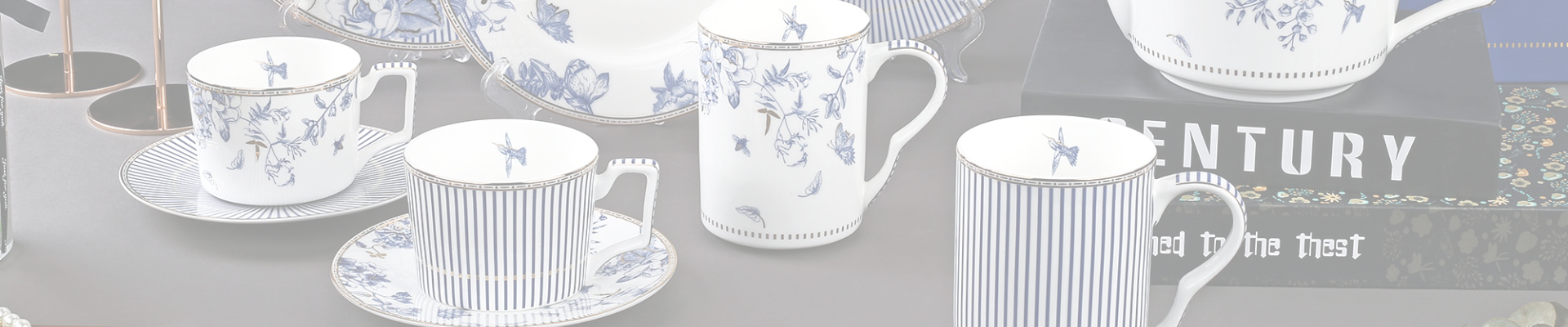
Choosing the Best Porcelain Dinner Set for Your Home
Durability and Chip Resistance: What Makes a Porcelain Dinner Set Stand Up to Daily Use
How Firing Temperature and Density Determine Real-World Chip Resistance
The reason porcelain stands up so well to chips lies in its vitrification process. When clay gets heated to around 2400 degrees Fahrenheit or higher, the particles actually melt together forming something like glass inside the ceramic body. What happens here is pretty amazing because it gets rid of those tiny air pockets that would otherwise make the material weak spots. That means plates and bowls made this way don't crack easily when stacked in cabinets or bumped accidentally while being moved around the kitchen. The numbers back this up too - good quality porcelain absorbs less than half a percent water, which tells us a lot about how strong these items really are for families with kids running around all day long. Manufacturers also tend to roll out thicker edges on their products, something that adds extra strength but still keeps things looking beautiful on dining tables everywhere.
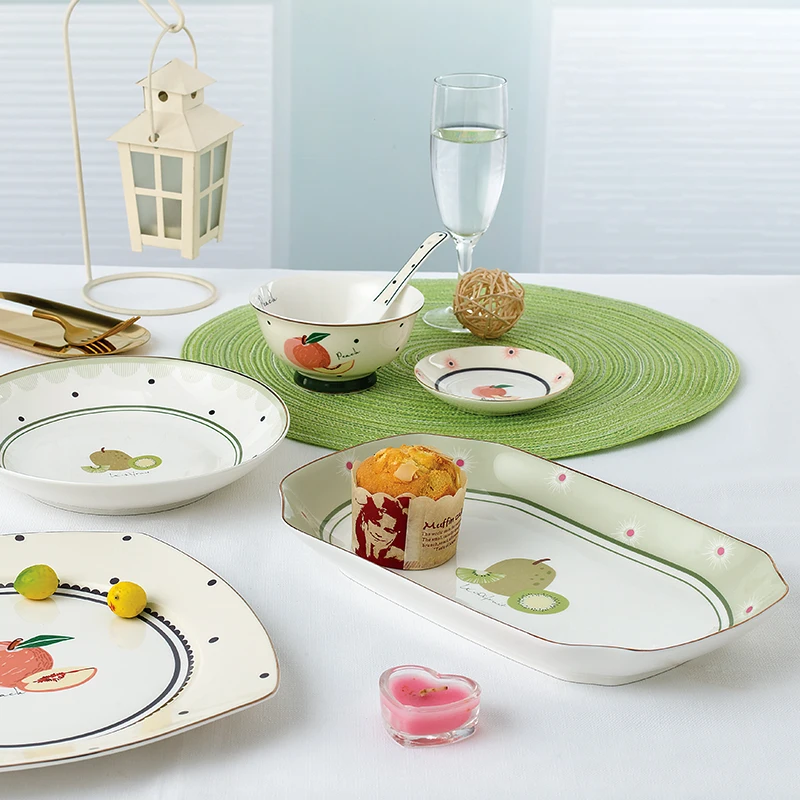
Porcelain vs. Stoneware, Melamine, and Earthenware: A Functional Comparison for Modern Households
For everyday use, porcelain strikes the optimal balance among common tableware materials:
- Stoneware, while sturdy, is heavier and more porous—increasing susceptibility to edge chipping during frequent dishwashing.
- Melamine resists chips but fails under heat: it’s unsafe for ovens, microwaves with metal trim, or hot serving directly from stovetops.
- Earthenware, fired at lower temperatures, remains porous and fragile—prone to staining and chipping even with light use.
Porcelain outperforms all three in scratch resistance, thermal stability, and low-maintenance longevity—making it the preferred choice for families seeking both resilience and refined aesthetics.
Aesthetic Excellence: Luminosity, Translucency, and Design Versatility in a Porcelain Dinner Set
Why Bone China Glows: The Science Behind Light Transmission and Perceived Luxury
The special glow of bone china comes from what it's made of basically half calcined animal bone ash mixed with kaolin clay. When fired at temperatures exceeding 1200 degrees Celsius, these materials create tiny crystals that scatter light as it passes through. This scattering effect gives bone china its distinctive inner shine something regular porcelain just can't match. Premium quality bone china lets in around 20 percent more light compared to standard porcelain, which makes it look even more luxurious particularly when placed under soft lighting or candles. The thinner walls enhance this glowing quality without sacrificing durability, which explains why most upscale restaurants opt for bone china during their formal dinner services according to recent industry reports showing adoption rates hovering around 78% among high end eateries.
From Minimalist Solid Sets to Hand-Painted Patterns — Matching Style to Lifestyle
Porcelain’s versatility supports diverse lifestyles and design sensibilities:
- Minimalist solid sets, like matte white or soft gray, offer effortless coordination across décor styles and simplify daily table setting—ideal for small spaces and fast-paced households.
- Hand-painted patterns, whether botanical motifs or modern geometrics, serve as expressive focal points for entertaining-focused homes; durable glaze encapsulation ensures designs remain vivid through repeated dishwasher cycles.
- Textural accents, such as embossed rims or satin-matte finishes, add tactile sophistication without visual clutter.
Choose based on your rituals: minimalist designs prioritize chip resistance and ease for daily life, while ornate pieces elevate special occasions—all made possible by porcelain’s non-porous surface, which preserves color and detail for decades.
Functional Reliability: Microwave Safe, Dishwasher Safe, and Non-Porous Performance of a Porcelain Dinner Set
Beyond the Label: Thermal Shock Limits, Oven Safety, and When ‘Microwave Safe’ Falls Short
The term "microwave safe" doesn't actually apply to everything out there. What it really means is how well something can handle sudden temperature changes before it cracks. This is measured by something called the maximum temperature differential (delta T). Most high fire porcelain items made at around 1400 degrees Celsius or higher can usually handle about a 150 degree shift in temperature. However, things get tricky when we're talking about pieces with thin walls, those made from recycled materials, or anything decorated with metal accents. When it comes to oven use, most ceramics are only rated for temperatures between 260 and 350 degrees Celsius. Going beyond these limits can cause problems with the glaze and might even lead to chemicals leaching into whatever food is being cooked. There are definitely some key spots where ceramic ware tends to fail under heat stress.
- Rapid reheating causing localized hotspots beyond material tolerance
- Air pockets in recycled clay bodies acting as stress concentrators
- Metallic trim triggering arcing or uneven heating
Always consult manufacturer testing data—not just labeling—especially if transitioning pieces from freezer to oven or microwave.
Stain Resistance Verified: Lab-Confirmed Non-Porosity (Water Absorption <0.003%)
True porcelain’s stain resistance stems from complete vitrification, achieving water absorption below 0.003%. This near-zero porosity delivers measurable functional benefits:
| Property | Performance Impact |
|---|---|
| Liquid Rejection | Prevents wine, coffee, and acidic foods from penetrating |
| Bacterial Growth | Creates an inhospitable, non-porous surface |
| Cleaning Effort | Enables quick wipe-clean maintenance |
Independent lab studies confirm this molecular density blocks organic dyes and food pigments more effectively than stoneware (1.5–5% absorption) or earthenware (5–15%). For lasting beauty and hygiene, prioritize third-party validated non-porosity metrics—not just marketing claims.
Smart Care and Long-Term Value: Preserving Your Porcelain Dinner Set
Proper care transforms porcelain from tableware into a generational heirloom. These evidence-backed practices prevent damage and preserve aesthetic value:
- Hand wash with warm water and pH-neutral soap, especially for decorated or gilded pieces—abrasive detergents degrade fine details over time.
- Prevent thermal shock: never place cold porcelain directly into hot ovens or microwaves—a leading cause of invisible hairline cracks.
- Dry immediately using lint-free cloths to avoid mineral spotting or etching from hard water.
- Store rim-down with soft fabric or felt separators between stacked items to protect delicate edges.
- Inspect annually for micro-fractures; early detection allows professional restoration before compromise spreads.
Contrary to myth, porcelain endures decades of use when shielded from mechanical and thermal stress. Annual care investments under $15 in soft tools yield outsized returns: correctly preserved sets retain 90% of their aesthetic value after 20 years—outperforming stoneware by 4–5 in verified longevity metrics.
Material Intelligence: How to Distinguish Bone China from Hard-Paste Porcelain in a Porcelain Dinner Set
DIY Quality Checks: The Ring Test, Weight-to-Thickness Ratio, and Glaze Clarity
Three accessible, tool-free methods help verify material authenticity:
- The ring test: Gently tap the rim with a fingernail. Bone china emits a clear, sustained, bell-like resonance due to its bone ash–enhanced crystalline structure; hard-paste porcelain produces a shorter, sharper, higher-pitched tone.
- Weight-to-thickness ratio: Bone china feels remarkably lightweight for its size—its mineral composition allows thinner, stronger walls. Hold comparable pieces side-by-side: the lighter one is likely bone china.
- Glaze clarity under light: Hold near a window or lamp. Bone china shows warm, milky translucency (transmitting 20–30% more light), while hard-paste porcelain reveals cooler, bluish transparency.
These checks empower informed decisions—no lab required—and help validate manufacturer claims about your porcelain dinner set’s composition and quality.
FAQ Section
What is the main advantage of porcelain dinner sets?
Porcelain dinner sets are highly durable, chip-resistant, and aesthetically versatile, making them ideal for daily use and special occasions.
Is porcelain microwave and dishwasher safe?
Yes, porcelain is generally microwave and dishwasher safe, but certain factors like metallic decorations can limit microwave use. Always check manufacturer guidelines.
How to distinguish bone china from hard-paste porcelain?
Use the ring test, weight-to-thickness ratio, and examine glaze clarity to differentiate bone china from hard-paste porcelain.