
 EN
EN
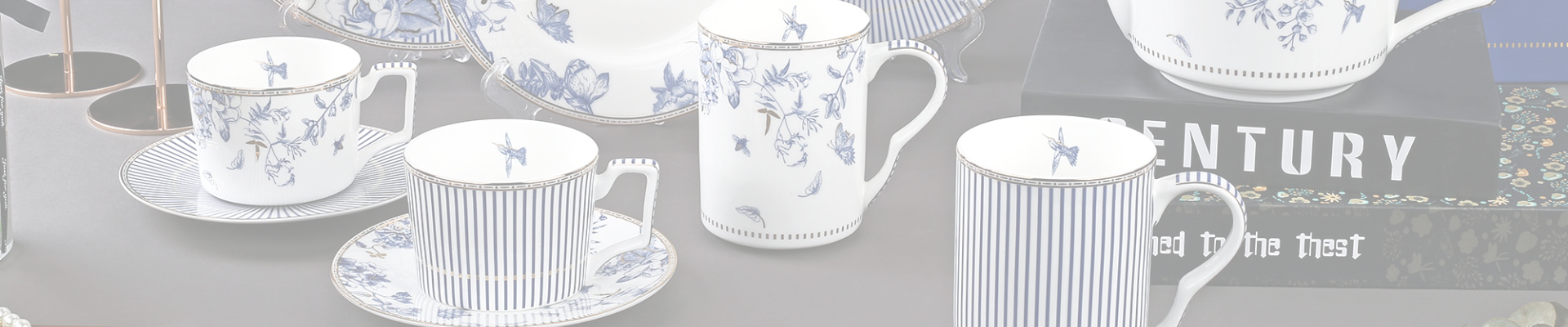
Porcelain Tea Cups: Classic Designs You’ll Love
What Makes a True Porcelain Tea Cup? Material Science and Authenticity
Kaolin, Feldspar, and High-Fire Transformation: The Triad Behind Genuine Porcelain
Real porcelain tea cups get their special characteristics like being see-through when held up, making a nice ringing sound, staying strong, and handling heat changes because they're made from three specific minerals: kaolin, feldspar, and quartz. The kaolin gives the cup its solid structure and clean look, while feldspar works kind of like a melting agent that helps everything fuse together properly during firing. Quartz adds extra toughness and keeps things stable. When these materials are fired at temperatures over 1300 degrees Celsius (which is really hot!), something interesting happens called vitrification where the mixture turns into a dense, glassy material without any pores. This makes the finished cup able to handle sudden temperature changes, keep those delicate tea smells intact, and actually produce a clear, high note if someone taps on it lightly. If someone holds a genuine porcelain cup against a light source, they'll notice it lets some light pass through slightly - this translucency shows both the quality of the raw materials used and how carefully the piece was fired, something most cheaper ceramics just can't match.
Porcelain vs. Bone China vs. Ceramic: Clarifying Mislabeling in Global Markets
The market gets pretty confusing when different regions use their own terms and standards for ceramics. Let's start with true porcelain, which is made from just three ingredients: kaolin, feldspar, and quartz. No bone ash or other additives allowed in authentic porcelain, and it needs to be heated way beyond 1300 degrees Celsius during firing. Bone china takes a different approach by replacing about 30 to 50 percent of the kaolin with actual bone ash. This gives it those warm colors we associate with fine china and makes it less likely to chip, though it doesn't handle temperature changes as well as regular porcelain. Plus, the firing temperature drops down to around 1200 degrees instead. Most everyday mugs are actually stoneware or basic ceramic pieces. These use rougher clay that contains iron, and they're fired at lower temperatures below 1200 degrees. As a result, these mugs tend to have thicker walls, show some surface pores, and aren't quite as good at maintaining consistent temperatures as higher quality ceramics.
The EU requires 30% kaolin for “porcelain” labeling; the US has no federal definition—making composition and firing temperature the only reliable authenticity markers. As confirmed by the International Ceramics Association, only high-kaolin, high-fire porcelain delivers optimal thermal performance for tea brewing—retaining heat without masking flavor or leaching impurities.
| Property | True Porcelain | Bone China | Ceramic (Stoneware) |
|---|---|---|---|
| Composition | Kaolin + Feldspar + Quartz | Bone ash + Porcelain | Coarse clay + Fluxes |
| Firing Temp | 1300°C (2372°F) | ~1200°C (2192°F) | <1200°C (2192°F) |
| Translucency | High | Moderate | None |
| Thermal Shock Resistance | Excellent | Moderate | Poor |
Porcelain’s impervious surface prevents flavor absorption, while its thin, uniform walls enable precise heat modulation—essential for unlocking the full aromatic and textural profile of fine teas.
Iconic Porcelain Tea Cup Forms Across Cultures
The Gaiwan: Precision Engineering for Chinese Gongfu Cha
A gaiwan is basically a three part porcelain setup lid, bowl plus saucer that's become essential for making Gongfu Cha properly. What makes these little cups so great? Well, they're made from thin kaolin clay that keeps the heat just right for brewing but also cools down quickly when needed between steepings. And those flared rims? They actually work pretty well at keeping hot steam from burning your fingers as you handle them repeatedly with boiling water. People have been tweaking this design for hundreds of years until it got just right the way it feels in hand, how responsive it is to temperature changes, and that clean simple look. When someone drinks tea using a gaiwan, they're really participating in something much older than themselves the centuries long tradition where humans learn to work with nature instead of fighting against it through every step of the tea making process.
Chawan and Mungdari: Wabi-Sabi Integrity in Japanese and Korean Porcelain Tea Cups
The Japanese chawan and Korean mungdari show how deeply cultural values are embedded in their design through what might seem like flaws at first glance. These ceramic pieces actually celebrate asymmetry rather than striving for perfect shapes. They feel good in the hands because of their unique weights and textures. The glazes tell stories too - think about the gentle cracks on Kyoto's shino ware or those tiny iron spots found in old Joseon celadon. A chawan has this big opening which helps cool down matcha faster during tea ceremonies. Meanwhile, the mungdari's curved inside makes pouring ujang sauce a slower, more deliberate act. What both containers really represent is wabi-sabi philosophy. This isn't just an artistic style though. When we see uneven forms or unexpected glaze effects, it reminds us that these were made by human hands, not machines. There's something humble about them that asks us to be present in the moment when using these beautiful objects.
Performance That Elevates the Tea Experience
Heat Retention, Thermal Shock Resistance, and Lip-Comfort Engineering
Porcelain really stands out when we look at how well it combines practicality with sensory appeal. The material becomes fully vitrified after being fired between around 1300 to 1400 degrees Celsius. This special treatment makes porcelain hold onto heat about 30 percent better than regular stoneware does. That means tea stays at just the right temperature even after several cups are poured from the same vessel. Another big plus? Porcelain handles sudden temperature changes without cracking. Tests following ASTM C554 standards show this happens because properly made porcelain doesn't break when hot water hits cooler parts of the ceramic surface something that matters a lot for people who drink tea every day. Looking at the details, there's also attention paid to comfort during drinking. The rim is rolled very thin and shaped just right so heat spreads evenly along the edge. No annoying hot spots form, and holding the cup feels much nicer on the lips. All these qualities working together thermal consistency, strength against breakage, and comfortable handling make porcelain not just good for making great tea but also respectful of what makes tea drinking such an enjoyable human experience.
Choosing and Using a Porcelain Tea Cup for Daily Ritual
A porcelain tea cup transforms routine into ritual—not through ornament, but through material truth. Its non-porous, vitrified surface preserves unaltered flavor; its fine wall thickness enables responsive heat management; and its resonance—audible in a clean ring—signals structural integrity.
Five Curated Styles—From Jingdezhen Hand-Painted to Kyoto Shino-Glazed Porcelain Tea Cups
Choose a style aligned with your ritual's intention:
- Jingdezhen Hand-Painted: Cobalt-blue motifs or ruby-red overglazes reflect centuries of imperial kiln mastery—ideal for ceremonial focus and visual reverence.
- Kyoto Shino-Glazed: Milky, softly crackled surfaces embody wabi-sabi—best for quiet reflection and appreciation of subtle texture.
- Celadon Ware: Jade-hued glazes with carved contours offer Korean-inspired serenity and gentle visual warmth.
- European Translucents: Ultra-thin, highly refined forms maximize light play and clarity—suited for appreciating tea color and infusion depth.
- Minimalist Modern: Unadorned, balanced silhouettes direct attention entirely to aroma, mouthfeel, and temperature—perfect for mindful tasting.
Each style merges tradition with intentionality—not as decoration, but as functional expression. Select not just what pleases the eye, but what supports how you wish to meet your tea, moment after moment.
FAQ
What materials are used in creating true porcelain tea cups?
True porcelain tea cups are made from kaolin, feldspar, and quartz, combining to give them translucency, strength, and thermal shock resistance.
How are porcelain tea cups different from bone china and ceramic?
Porcelain is fired at temperatures above 1300°C using three main minerals, whereas bone china includes bone ash with porcelain and has lower firing temperatures. Basic ceramics or stoneware use coarse clay, fired at even lower temperatures.
Why do genuine porcelain tea cups ring when tapped?
Porcelain's vitrified structure gives it a dense, glassy composition that retains sound and heat, enabling it to produce a clear ringing tone when tapped lightly.