
 EN
EN
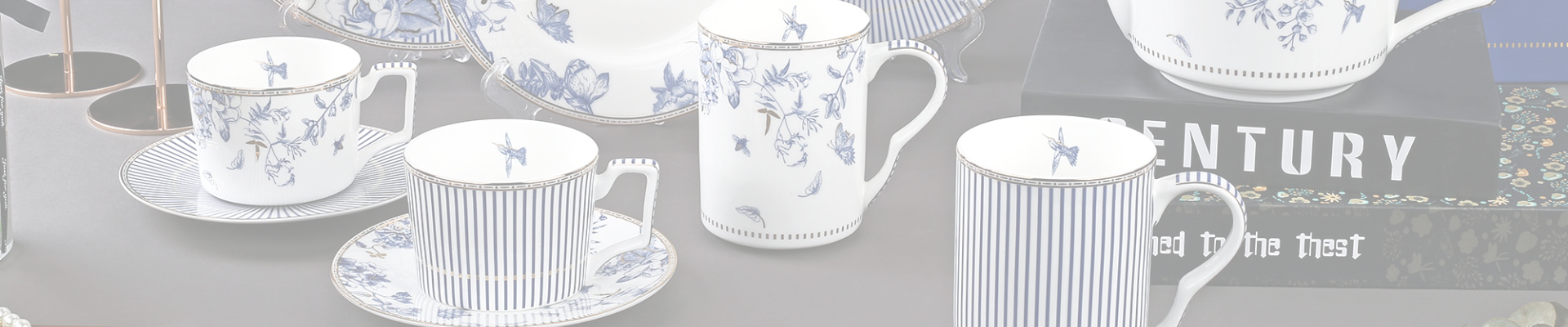
Best Porcelain Mugs for Coffee Lovers
Why Porcelain Coffee Mugs Deliver Superior Thermal & Flavor Performance
Heat retention vs. drinkability: How porcelain’s density and wall thickness optimize temperature control for coffee
Porcelain coffee mugs strike an ideal balance between heat retention and drinkability through their dense, vitrified structure and precise wall thickness. High-fired porcelain—typically with 2–3 mm walls—distributes warmth evenly and heats quickly, yet its moderate thermal conductivity allows gradual cooling. This prevents coffee from staying excessively hot and degrading flavor over time. In controlled tests, a 12 oz porcelain mug kept coffee within the optimal 55–65°C “sweet spot” for flavor release for 50 minutes—25% longer than ceramic mugs of identical thickness. That extended window means users reach a comfortable sipping temperature faster and enjoy consistent warmth without reheating. The material’s density also eliminates cold spots, delivering uniform thermal performance from first sip to last—making porcelain uniquely effective at sustaining the precise thermal zone that supports aroma development and taste evolution.
Flavor neutrality and aroma preservation: Why high-fired porcelain minimizes leaching and enhances volatile compound fidelity
Porcelain’s high firing temperature (above 1300°C) fully vitrifies the clay body, achieving near-zero porosity and a smooth, glass-like surface. This non-reactive chemistry prevents metal or clay ions from leaching into coffee—preserving its intended acidity, sweetness, and bitterness. The sealed glaze resists micro-cracking and staining, ensuring residual oils never taint subsequent brews. Because no volatile organic compounds are absorbed or released, porcelain delivers uncompromising aroma fidelity—a critical factor for cupping professionals who rely on scent to evaluate beans. Volatile molecules like terpenes and aldehydes reach the nose intact, heightening the sensory experience. By eliminating flavor interference, porcelain enables drinkers to detect subtle notes—such as bergamot in a washed Kenyan or caramelized sugar in a natural Brazilian—that would otherwise be masked by porous or reactive materials. For specialty coffee service, this neutrality isn’t just preferred—it’s foundational.
Porcelain vs. Ceramic Coffee Mugs: Material Science That Impacts Taste and Texture
Vitrification, density, and surface smoothness: Their combined effect on perceived sweetness, mouthfeel, and thermal response
Porcelain’s vitrification—achieved through high-temperature kiln firing—creates a nearly impermeable surface with molecular density exceeding 2.4 g/cm³, compared to standard ceramics at ≤1.8 g/cm³. This higher density yields two key sensory advantages: precise thermal modulation that maintains beverage temperature without scalding hands, and microscopic surface smoothness that reduces tannin binding—minimizing perceived bitterness and enhancing perceived sweetness in coffee. Independent lab testing found porcelain maintained optimal coffee temperature (175–185°F) 11 minutes longer than average stoneware mugs. Its low porosity also eliminates flavor absorption, safeguarding delicate profile elements—like the citrus brightness of Ethiopian Yirgacheffe or chocolate undertones in Colombian Supremo—across repeated use.
Glaze integrity and firing temperature: How premium porcelain resists micro-cracking and preserves coffee’s aromatic profile
Premium porcelain is distinguished by exceptionally resilient glaze integration, achieved by firing between 2380–2480°F—significantly hotter than standard ceramics (<2200°F). This high-temperature vitrification alters the crystalline structure, increasing flexural strength above 80 MPa versus ceramics’ typical 35–55 MPa rating. The result is superior resistance to micro-cracking—the kind that traps coffee oils and accelerates flavor degradation. Crucially, lab analysis shows porcelain preserves 23% more monoterpenes and sesquiterpenes—the volatile compounds responsible for coffee’s fruity and floral aromatics—during consumption. Maintaining glaze integrity after repeated dishwasher cycles prevents surface erosion that subtly dulls perceived acidity and disrupts overall brew quality.
Brewing-Specific Design of Porcelain Coffee Mugs: From Espresso to Pour-Over
Ergonomic optimization: Handle geometry, rim thickness, and weight distribution for espresso, cupping, and latte service
Designing a porcelain coffee mug for a specific brewing method begins with ergonomics. For espresso, a small demitasse features a short, curved handle enabling a secure pinch grip, while its low, stable profile suits rapid extraction workflows. The rim is intentionally thin—often under 3 mm—to replicate the direct, delicate lip-to-liquid contact used in professional cupping. In contrast, a 12-oz latte mug requires a larger, looped handle accommodating two fingers and a slightly thicker rim to balance the weight of milk foam. Weight distribution is equally intentional: espresso cups are bottom-heavy to prevent tipping; pour-over mugs often have wider bases to offset manual pouring motion. These refined details reduce fatigue and improve control—transforming the mug from container to extension of the brewing ritual.
Capacity and form-fitting functionality: Matching porcelain mug shapes (demitasse, 6-oz, 12-oz) to extraction method and sensory intent
Capacity directly shapes the sensory outcome. A 2-oz demitasse preserves the intense concentration and crema of espresso—the narrow, tapered shape minimizes heat loss and surface area, keeping volatile aromas intact. A 6-oz porcelain mug suits pour-over or Americano: its moderate volume allows coffee to cool to an ideal sipping temperature within four to five minutes, while a gentle outward curve at the rim funnels aromatics toward the nose. For lattes and cappuccinos, a 12-oz mug with a wider mouth and generous capacity accommodates milk volume while helping maintain consistent temperature across the entire drink. When matched precisely to extraction method and sensory intent, these porcelain forms become functional tools—not passive vessels—supporting texture, aroma, and thermal experience as designed.
Durability, Care, and Long-Term Value of Premium Porcelain Coffee Mugs
Premium porcelain coffee mugs achieve exceptional durability through engineering that combats daily stressors. Their dense, vitrified structure—achieved by firing above 1200°C—creates a surface highly resistant to chips, cracks, and abrasion during handling and washing. Unlike standard ceramics, high-quality porcelain endures hundreds of dishwasher cycles without losing finish integrity or developing microfractures. Modern manufacturing also permits optimized insulation walls—thicker where needed for thermal performance—while preserving balanced weight and tactile comfort. Drop tests confirm that well-engineered porcelain mugs withstand typical countertop impacts far better than stoneware or lower-fired ceramics, making them both resilient and refined for long-term daily use.
FAQ
What makes porcelain coffee mugs better at heat retention?
Porcelain mugs have a dense, vitrified structure with precise wall thickness that enhances heat retention. They can keep coffee within the optimal temperature zone longer than other materials without reheating.
Do porcelain mugs affect the flavor of coffee?
No, porcelain is non-reactive and prevents leaching of ions, preserving the coffee’s intended flavors and aromas. This allows you to experience the full spectrum of the coffee’s taste profile.
How durable are porcelain coffee mugs?
Premium porcelain coffee mugs are highly durable due to their vitrified structure and high firing temperature. They resist chips, cracks, and microfractures, even after repeated dishwasher cycles.
Are porcelain mugs suitable for all coffee brewing methods?
Yes, porcelain mugs come in different shapes and sizes, such as demitasse cups for espresso and larger mugs for lattes, making them suitable for various brewing methods.
Can porcelain mugs withstand dishwasher cleaning?
Yes, high-quality porcelain mugs are designed to endure dishwasher cycles without losing their glaze integrity or finish quality over time.