
 EN
EN
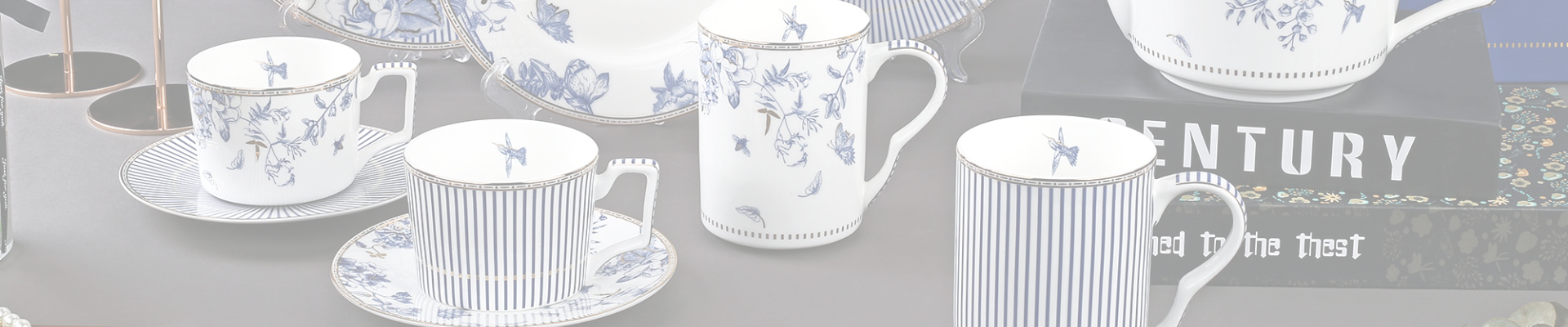
Ceramic Christmas Tree Plates: Holiday Favorites
Origins and Symbolism of the Ceramic Christmas Tree Plate
Why the Christmas tree motif became central to mid-century ceramic holiday plates
The Christmas tree motif emerged as a natural centerpiece for mid-century ceramic holiday plates because it carried centuries of cultural weight. Evergreens had long symbolized resilience and renewal in European winter rituals, and by the 16th century, German families brought decorated trees indoors as “Paradise Trees,” linking them to the Garden of Eden. When the custom spread to England and America—popularized by Queen Victoria and Prince Albert—it became a universal holiday icon. Mid-century plate makers seized on this familiarity: a ceramic Christmas tree plate offered a durable, colorful way to display the cherished symbol year after year. Manufacturers like Glidden Pottery integrated the tree shape into functional dinnerware, transforming a seasonal tradition into everyday art. The motif resonated with post-war consumers who valued both nostalgia and modern design—plates with raised or painted trees allowed families to celebrate the holiday spirit without the mess of a real tree. Ultimately, the ceramic tree became shorthand for warmth, togetherness, and the collective memory of decorating the family tree—qualities that cemented its status as a beloved collectible.
Religious, cultural, and domestic symbolism embedded in ceramic Christmas tree plate design
Every element of a ceramic Christmas tree plate carries layered meaning. The evergreen itself represents eternal life—a concept rooted in both pagan winter solstice rites and Christian belief in everlasting love. The star at the top echoes the Star of Bethlehem that guided the Wise Men, while candles or lights recall Martin Luther’s use of candlelight to symbolize divine guidance. Culturally, the tree on a plate transforms a private family ritual into a shared emblem of holiday cheer. Domestically, the plate sits on a shelf or wall, anchoring the home as a sacred space for gathering. The ceramic material adds its own resonance: clay fired and glazed mirrors the human process of shaping tradition and preserving it. Collectors see these plates not just as decor, but as tangible links to mid-century values—faith, family, and craftsmanship—binding religious reverence, cultural identity, and domestic comfort into a single, enduring object.
Defining Makers: Glidden, Bing & Grondahl, and Lenox Ceramic Christmas Tree Plates
Glidden Pottery’s Iconic Ceramic Christmas Tree Plates (1948–1959): Form, function, and legacy
From 1948 to 1959, Glidden Pottery crafted signature ceramic Christmas tree plates that defined the mid-century holiday aesthetic. These hand-painted pieces featured intricate evergreens, often with flocked accents or metallic detailing against classic ivory backgrounds. Their distinct craquelure glaze created an antique crackled effect—justifying their premium pricing of $5.75–$8.75 ($60–$88 today). Production shifted to Japan in 1959 using lighter molds, a transition that created lasting collector distinctions. Today’s collectors prize authentic pieces—especially circular or oblong shapes—for their robust weight (14–20 oz.) and precise holiday-themed imagery. Mint-condition plates in original boxes command $150–$450, affirming their enduring desirability as functional art. Found in thrift stores or attics? Their “womb-to-tomb” renown remains intact: Glidden’s heritage is still deeply rooted in our holiday tradition.
Authenticity, Value, and Curation in the Ceramic Christmas Tree Plate Market
Spotting fakes and dating vintage ceramic Christmas tree plates
Authenticating vintage ceramic Christmas tree plates demands attention to subtle, tactile details. Scrutinize maker’s marks carefully—many reproductions feature blurred, misaligned, or anachronistic stamps. Genuine pieces typically show nuanced glaze variation: subtle texturing and soft color transitions consistent with mid-century firing techniques—not the uniformity of modern screen printing. Check the base for age indicators like mild residue, faint kiln dust, or felt pad patina: authentic pads often exhibit fine cracking or gentle darkening, absent in newly manufactured fakes. A plate mimicking a 1940s design but bearing razor-sharp mold definition or overly vibrant, flat colors should raise skepticism. Documenting minor, era-typical imperfections—like slight glaze pooling or intentional craquelure—is part of responsible curation, not a flaw to conceal.
Pricing factors: Rarity, condition, maker, and thematic cohesion in collections
Condition is the strongest driver of value: plates labeled “Near Mint”—with no chips, hairlines, or surface scratches—consistently outperform those with repairs or wear. Established makers like Glidden Pottery, Bing & Grondahl, and Lenox carry inherent valuation weight, though early production runs or rare experimental glazes can shift premiums. Rarity hinges on documented scarcity—not just low output, but intact sets, unbroken provenance, and uncommon variations (e.g., hand-signed artist editions or limited-color releases). Thematic cohesion across a collection—such as grouping plates by shared cultural motifs, architectural styles, or generational narratives—elevates ensemble prestige beyond sum-of-parts valuations. Thoughtful documentation—provenance notes, acquisition dates, and contextual photos—strengthens both historical integrity and market confidence.
Modern Uses: Display, Gifting, and Revival of Ceramic Christmas Tree Plates
Today, ceramic Christmas tree plates have moved beyond their mid-century origins to become cherished decorative pieces in contemporary homes. Collectors display them on tiered plate stands, arrange them in curated gallery walls, or incorporate them into holiday tablescapes for a retro-modern touch. Their enduring appeal makes them thoughtful gifts—whether a vintage Glidden plate for a nostalgic relative or a newly crafted interpretation for a newlywed couple. Social media platforms and vintage decor trends have fueled a sustained revival: crafters repaint blank porcelain blanks in tree motifs, and heritage manufacturers like Lenox have reintroduced archival designs with updated glazes and sustainable production methods. These plates now serve dual roles—as functional dinnerware for festive meals and as seasonal art objects—bridging past and present holiday traditions with quiet authority.
FAQ Section
What makes ceramic Christmas tree plates valuable to collectors?
Collectors value these plates for their historical significance, craftsmanship, and cultural symbolism. Premiums are placed on authentic designs with intact provenance, unique glazes, and excellent condition.
How can I spot a fake ceramic Christmas tree plate?
Look for blurred or inconsistent maker’s marks, overly vibrant colors, and razor-sharp mold edges that deviate from mid-century manufacturing techniques. Pay attention to natural imperfections like glaze pooling or craquelure.
Which manufacturers are considered iconic in the ceramic Christmas tree plate market?
Glidden Pottery, Bing & Grondahl, and Lenox are some of the most iconic makers, known for their distinct designs and craftsmanship during the mid-20th century.
Are ceramic Christmas tree plates suitable for gifting?
Yes, these plates make thoughtful gifts, especially for holiday enthusiasts or collectors. Vintage pieces are ideal for nostalgic recipients, while modern interpretations suit newlyweds or younger generations.
How do I care for ceramic Christmas tree plates?
Handle these plates gently and avoid exposing them to extreme temperatures or harsh chemicals. Display them in stable areas and clean them with a soft, damp cloth to maintain their quality.